
Switzerland to Italy (continued)
Bernese Oberland to Italy
Bright and early we embarked on our longest travel day of the trip. A cable car to a cable car to a bus to a train connecting to a train - another train - another train - a train - a train and a short 10 hours later we arrived in Bologna, Italy! While there are faster routes with fewer connections, they tend to be more expensive and only shave off 1-2 hours of travel time. In retrospect it may have been worth it, but the way we did it was smooth and easy enough despite the 8 connections we had to make.
The Swiss rail network took us as far as Domodossola which is a border town on the Italian side. This is a good way to connect for those travelers utilizing discount passes in Switzerland as this is the farthest the discount will go.
In Domodossola we made a connection to Italian rail, Trenitalia. They, too, have a handy app that stores purchased tickets, shows itineraries and allows you to buy tickets in real time.
The trains traverse the mountains mostly via tunnels, but there’s still a lot to see out of the window. And, the contrast between the two countries is stark as soon as the train passes the border.
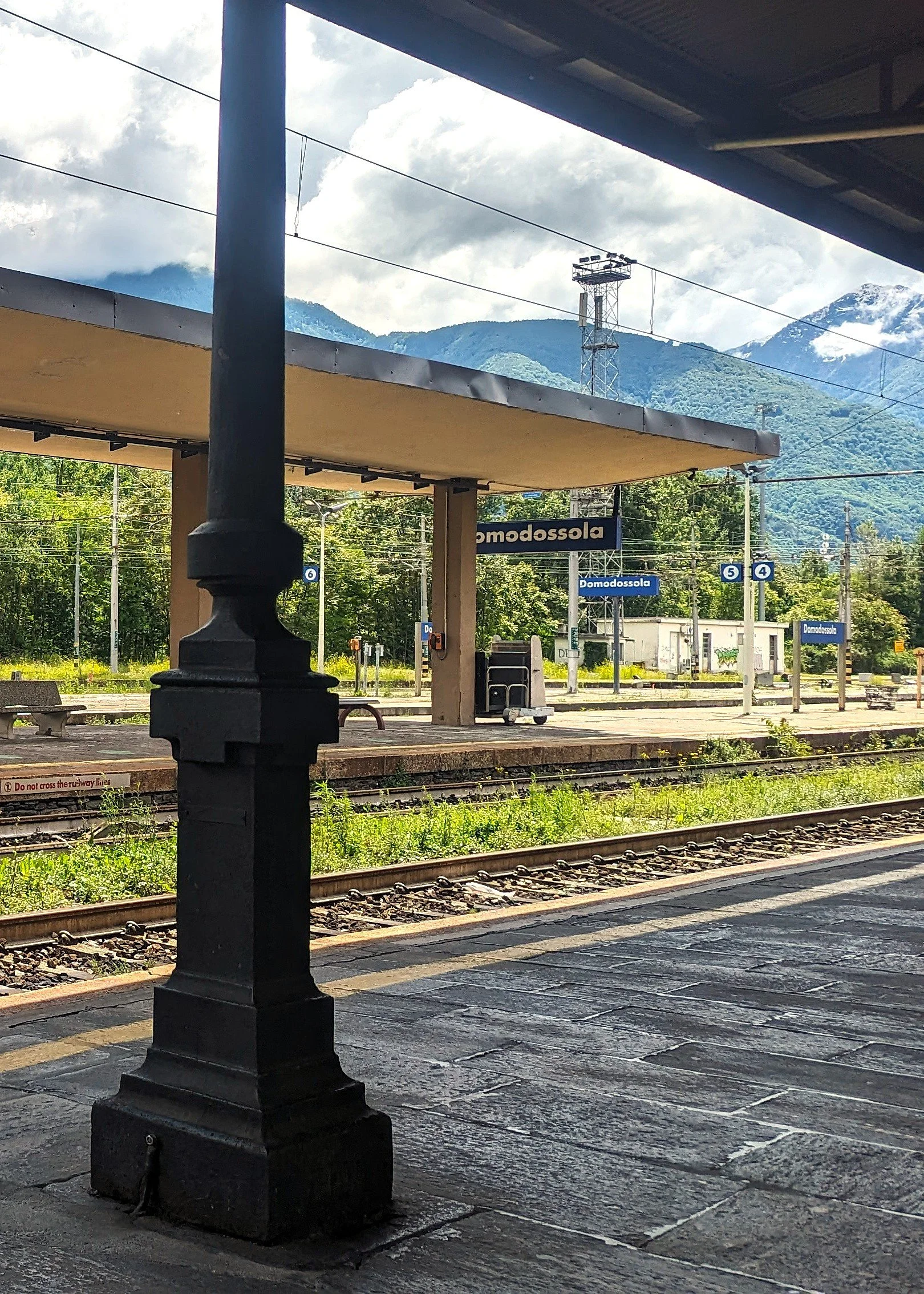
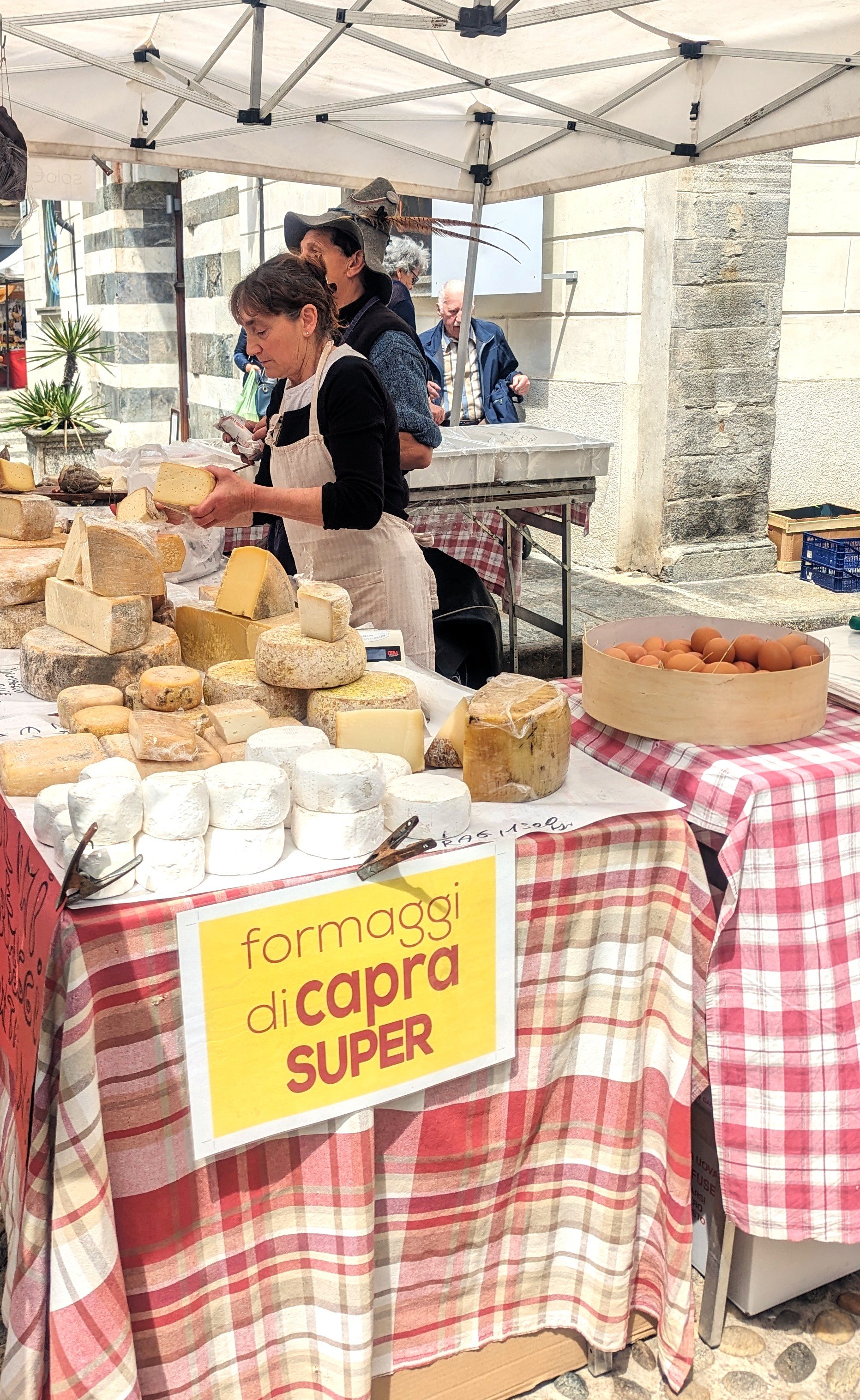
When we made it to Domodossola, the sun was shining brightly, the farmers were selling cheeses in the square, and the locals were sipping their aperitivos on the cafe patios.
After the cool and rain of the mountains, we were ready to enjoy the warmth of the valley!
Bologna
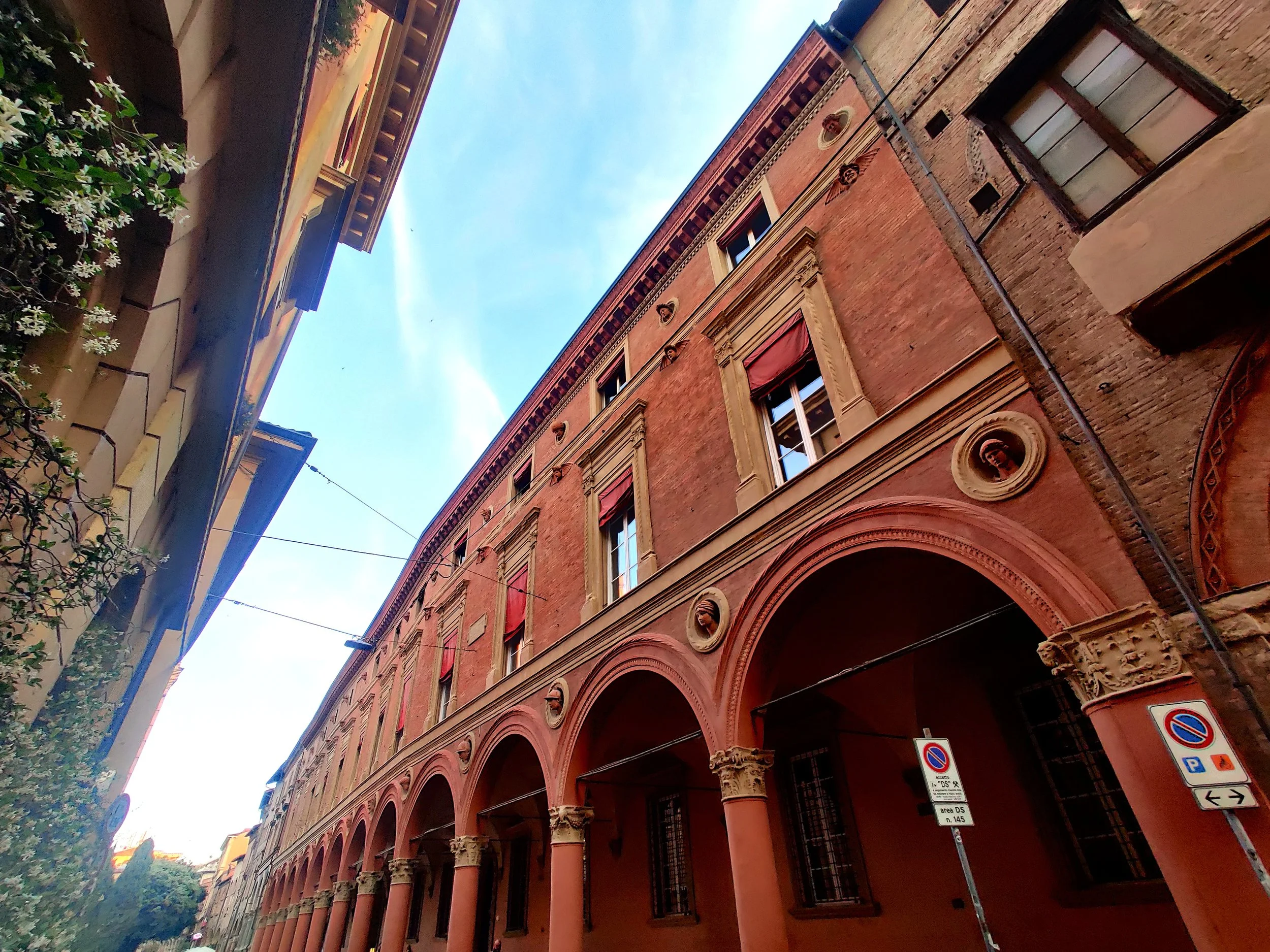
Bologna is the capital of the Emilia-Romagna region, and is known as La Dotta, La Rossa, La Grassa (The Learned, The Red, The Fat). “The learned” is due to the Università di Bologna, the oldest university in continuous operation in the world. Founded in 1088, it hosts over 90 thousand students who give the city a unique vibe. “The red” becomes obvious once you see not only the terracotta roofs but every shade of the color on the building walls all over the city. Finally, “the fat” is a tribute to the cuisine of the region. When we thought of the Italian foods we like, a good portion of them originate here. Emilia-Romagna with its cities of Bologna, Parma, and Modena gave us Parmigiano Reggiano, prosciutto di Parma, Mortadella, Balsamic vinegar, and the famous Bolognese pasta sauce, to name just a few.
Armed with a list of all the foods we must eat, we had no time to waste. Our first stop was the Gelateria delle Moline. We tried the nocciola (hazelnut) and the pistachio, and were in gelato heaven! Strong but natural flavors combined with the light creamy texture did not disappoint.
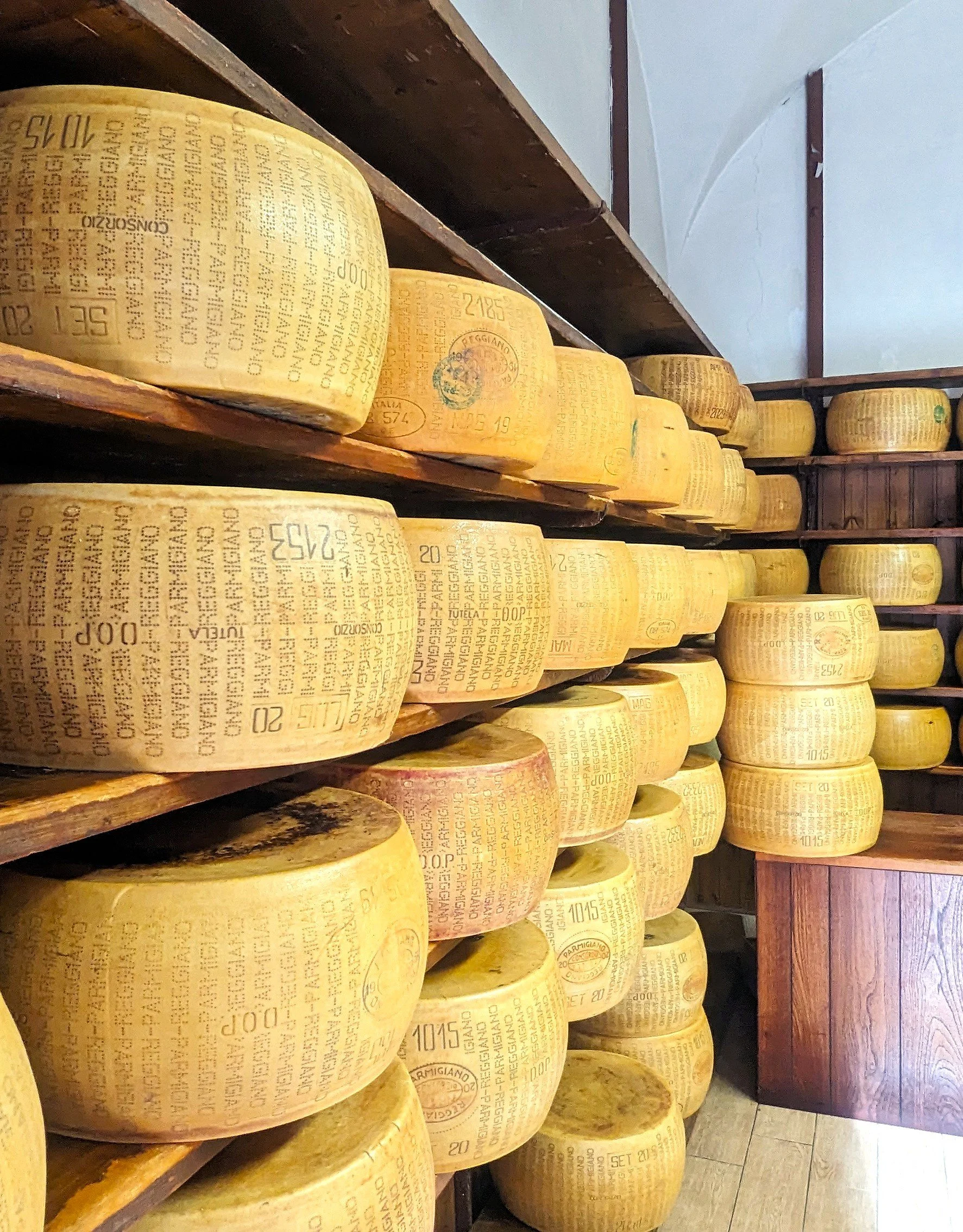
After coming back to earth we rounded a corner to stop by the cheese shop Al Regno Della Forma. The shop specializes in Parmesan and since we skipped a manufacturer tour in the countryside, this was a great place to be in the presence of the Cheese, with wheels stacked high on wooden boards all around the perimeter of the shop.
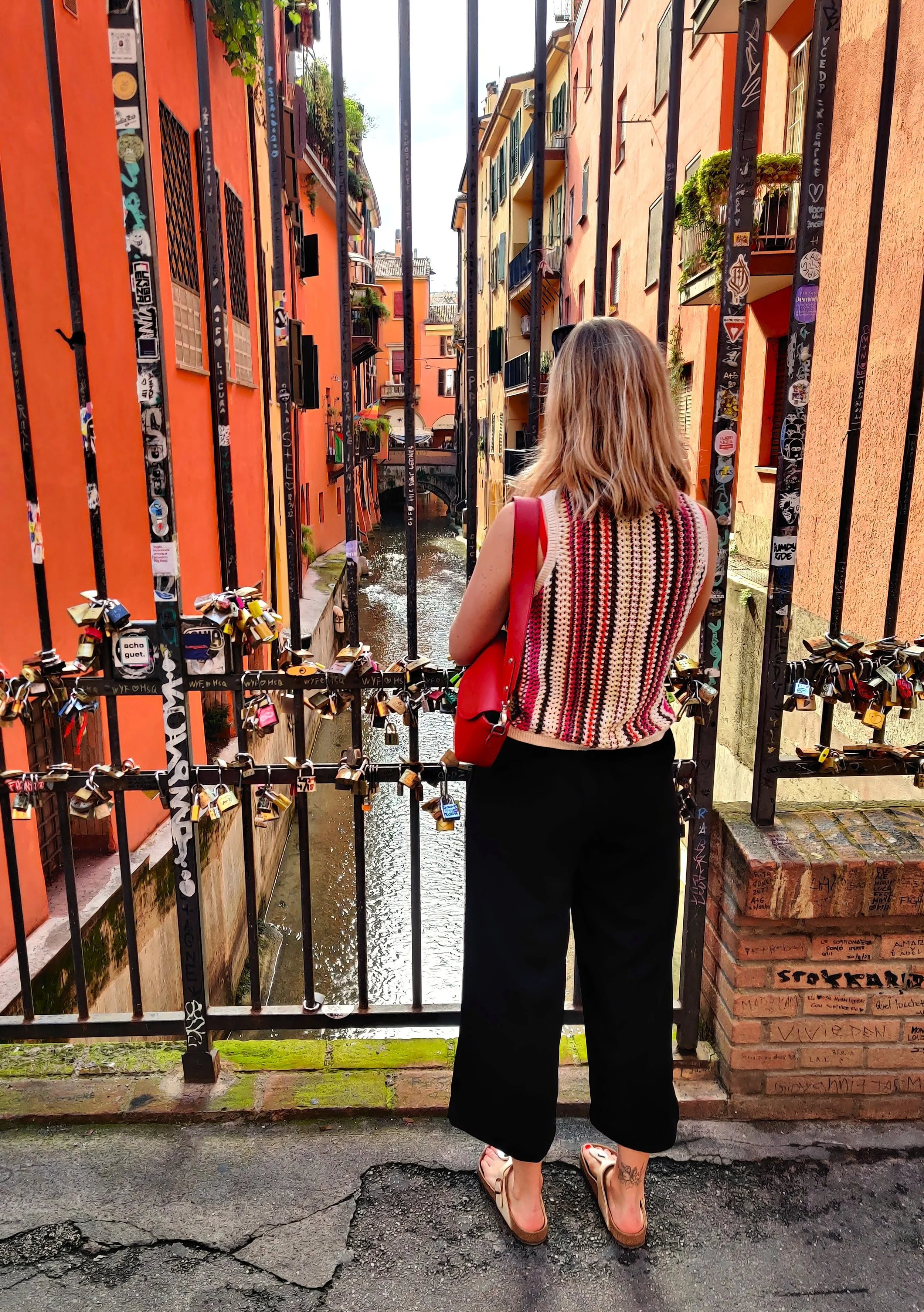
Right across from the shop we peeked at La Piccola Venezia, a small canal sandwiched between the red city buildings.
Our next stop was for a pre-dinner glass of orange wine at the Enoteca Historical Faccioli. They not only have a great selection of local and national wines by the glass, but also offer delicious snack accompaniments.
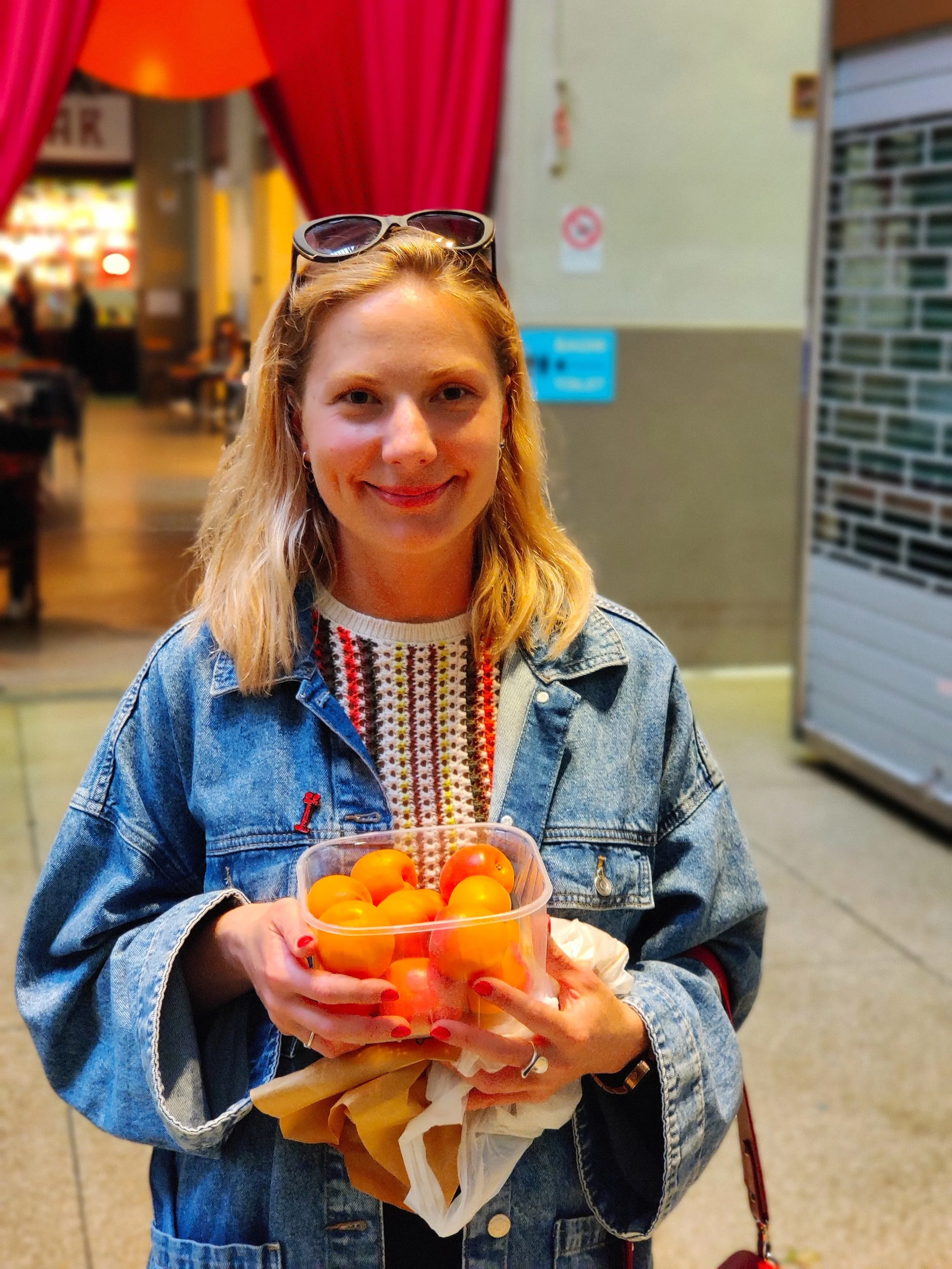
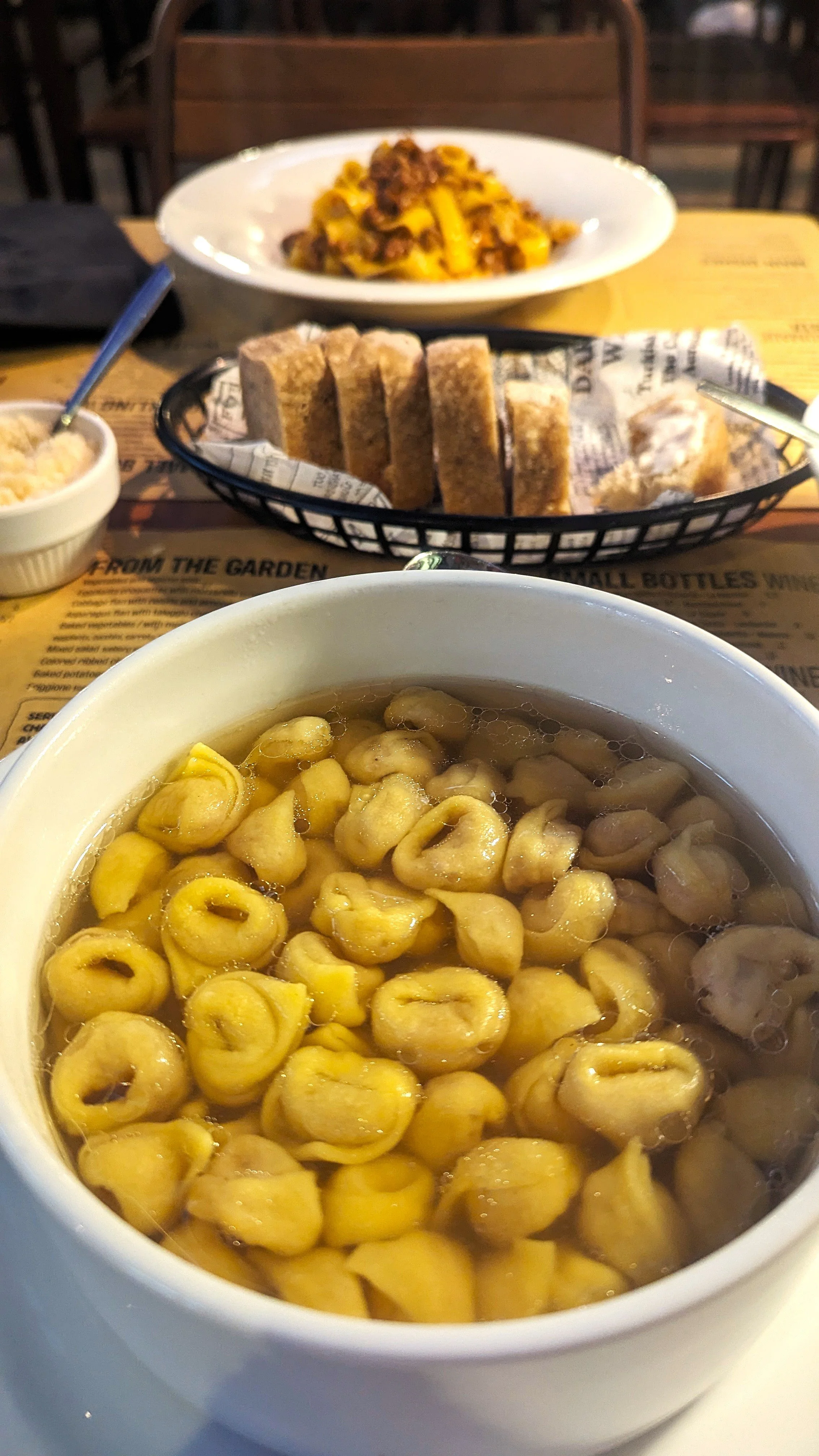
Finally, we made our way to our last food stop for the night, Mercato delle Erbe, a small produce & fresh food market featuring multiple cafes and restaurants. While most stalls were closed for the night we purchased some fragrant ripe apricots and went to settle at NOI for dinner. This restaurant is known for their traditional bolognese cuisine and we tried both tagliatelle al ragu (which has little in common with an American bolognese sauce) and tortellini en brodo (in broth), both staple dishes of the region.
The next morning we wandered through the city of porticoes - Bologna has over 24 miles of them. Once required for city construction to accommodate a mounted rider, they are now protected by UNESCO. The inner city is not large and very walkable, so we were able to explore with no particular plan, stumbling upon the Garisenda and Asinelli Towers, the San Pietro Cathedral, and even a flea market in an old church.
For a midmorning fortification we stopped at the Caffe Terzi, a quaint espresso bar serving strong coffee and delicious biscotti on the go. Forever corrupted by an American coffee culture offering endless iced cold brews, we fell in love with the Italian tradition of a quick stop for a standing caffè at the bar.
At the Piazza Maggiore we spent some time by the fountain of Neptune. According to an urban legend, the sculptor Giambologna at the time was ordered by the Pope to make the sea god more modestly endowed than originally planned. Giambologna unhappily complied but had the last word. Walk around the statue to find a vantage point where the statue’s thumb creates a very particular optical illusion.
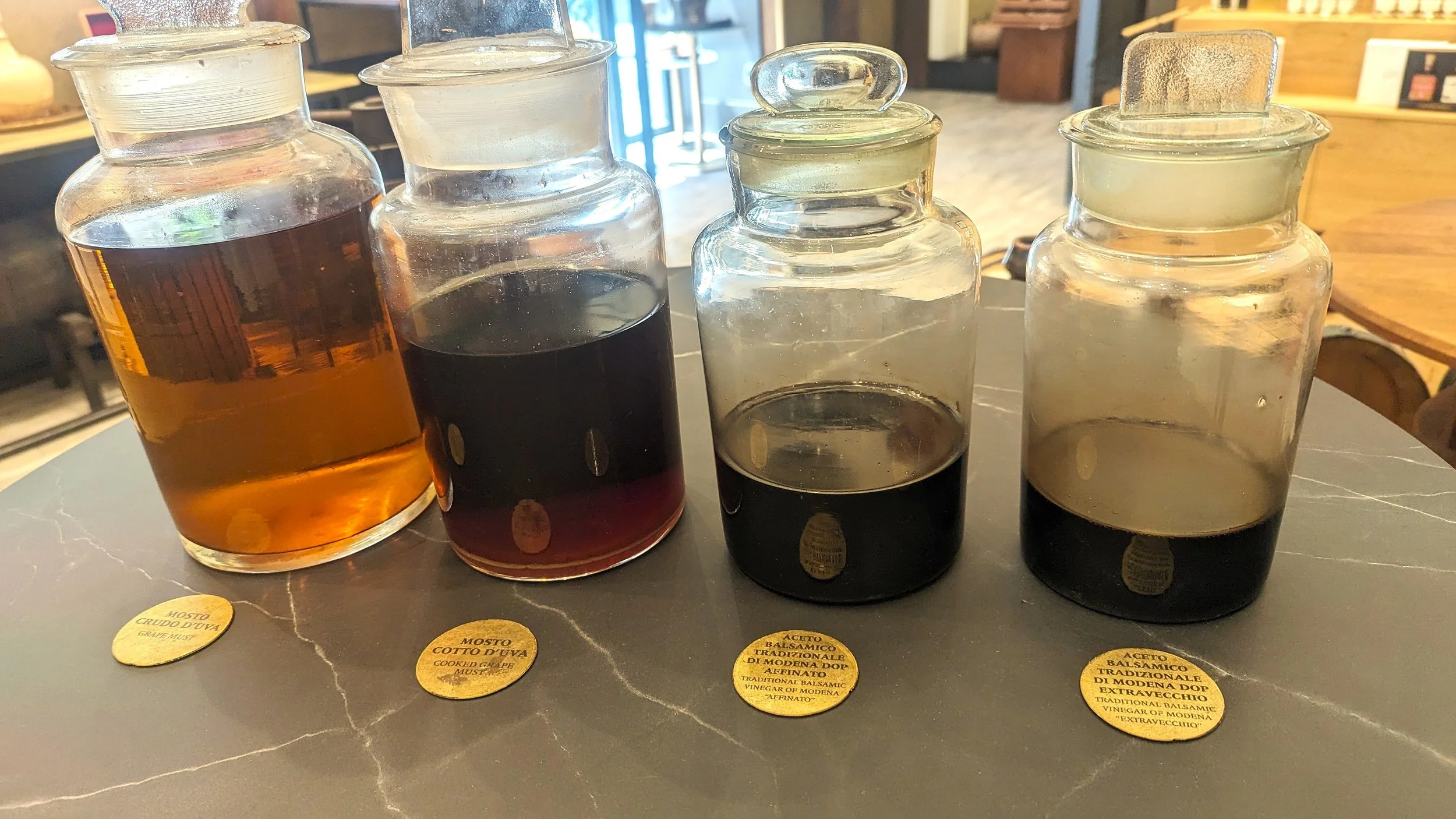
Ages and stages of Aceto Balsamico
The trident of the statue inspired brothers Maserati who later adopted it as their official logo. If Italian luxury cars are of interest then a day trip to a small town of Modena is a must. There, one can tour the Maserati factory and Enzo Ferrari Museum (and try some authentic balsamic vinegar!)
For lunch we made our way to the Quadrilatero area. Stops at Tamburini, Salumeria Simoni, and Giusti Bologna are a must to satisfy all dreams of the best products the area has to offer. We turned into the narrow Via Pescherie Vecchie and found a spot to sit down to a plate of cold cuts with the traditional tigelle bread and a refreshing glass of the sparkling red Lambrusco.
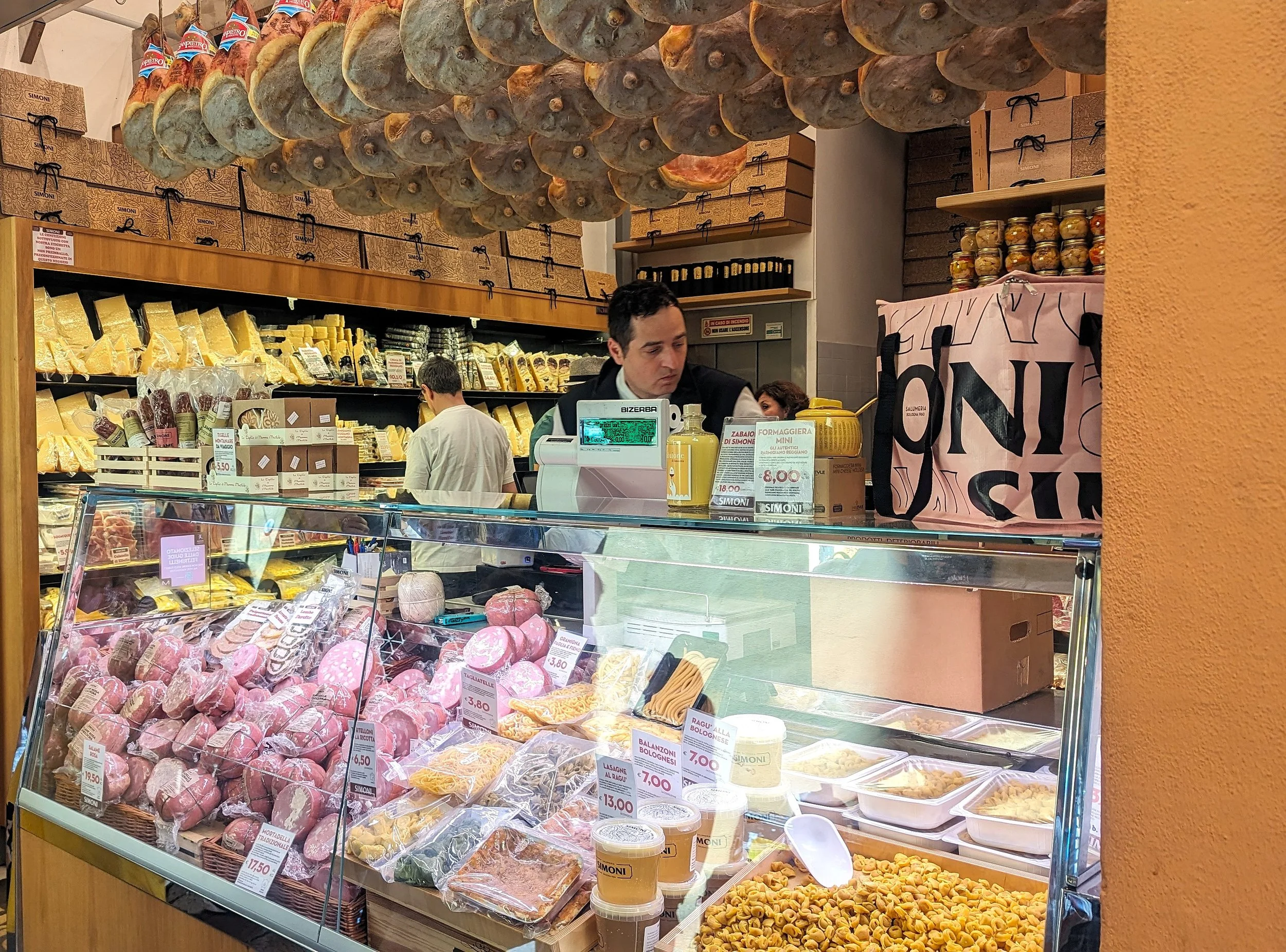
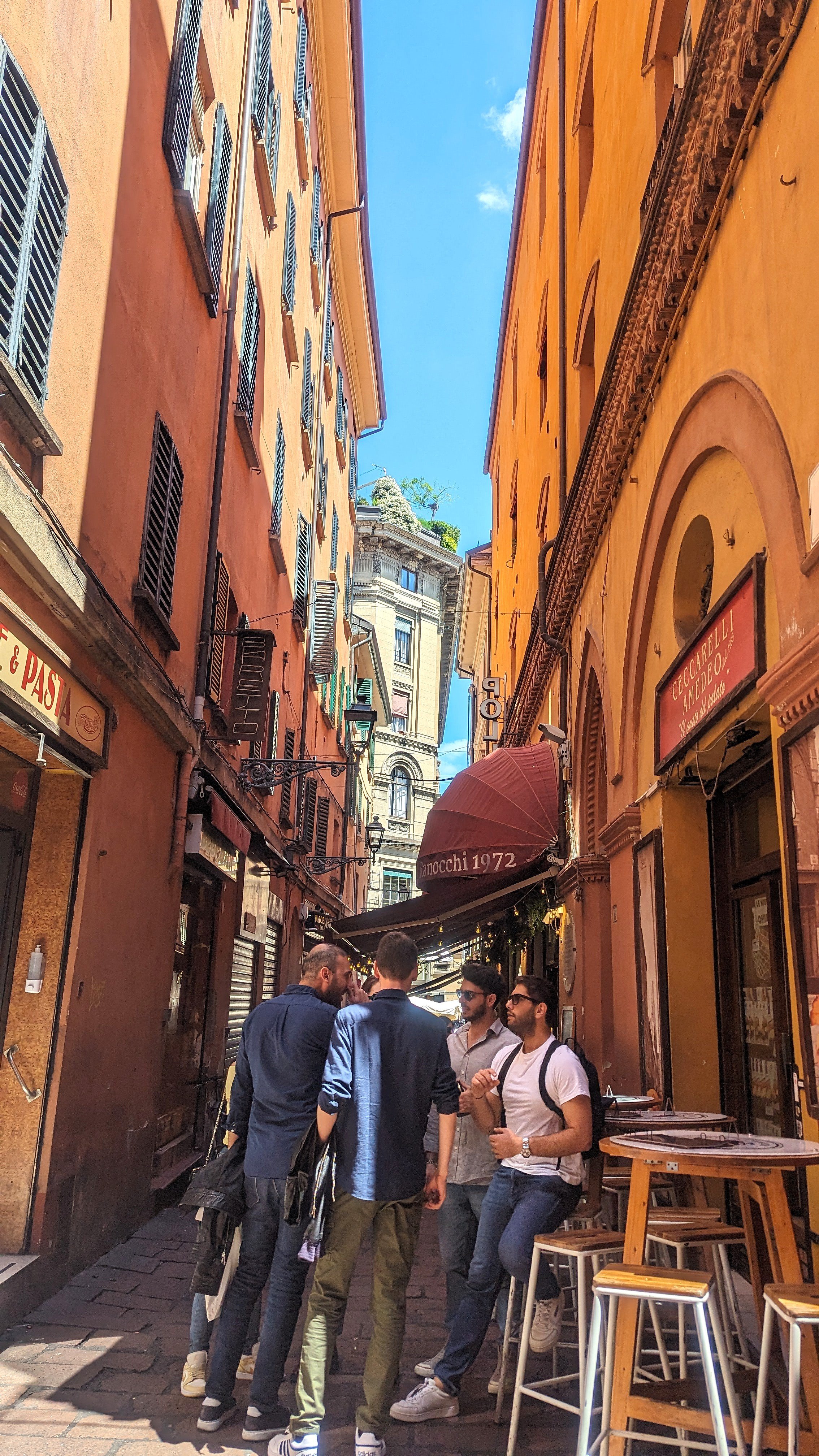
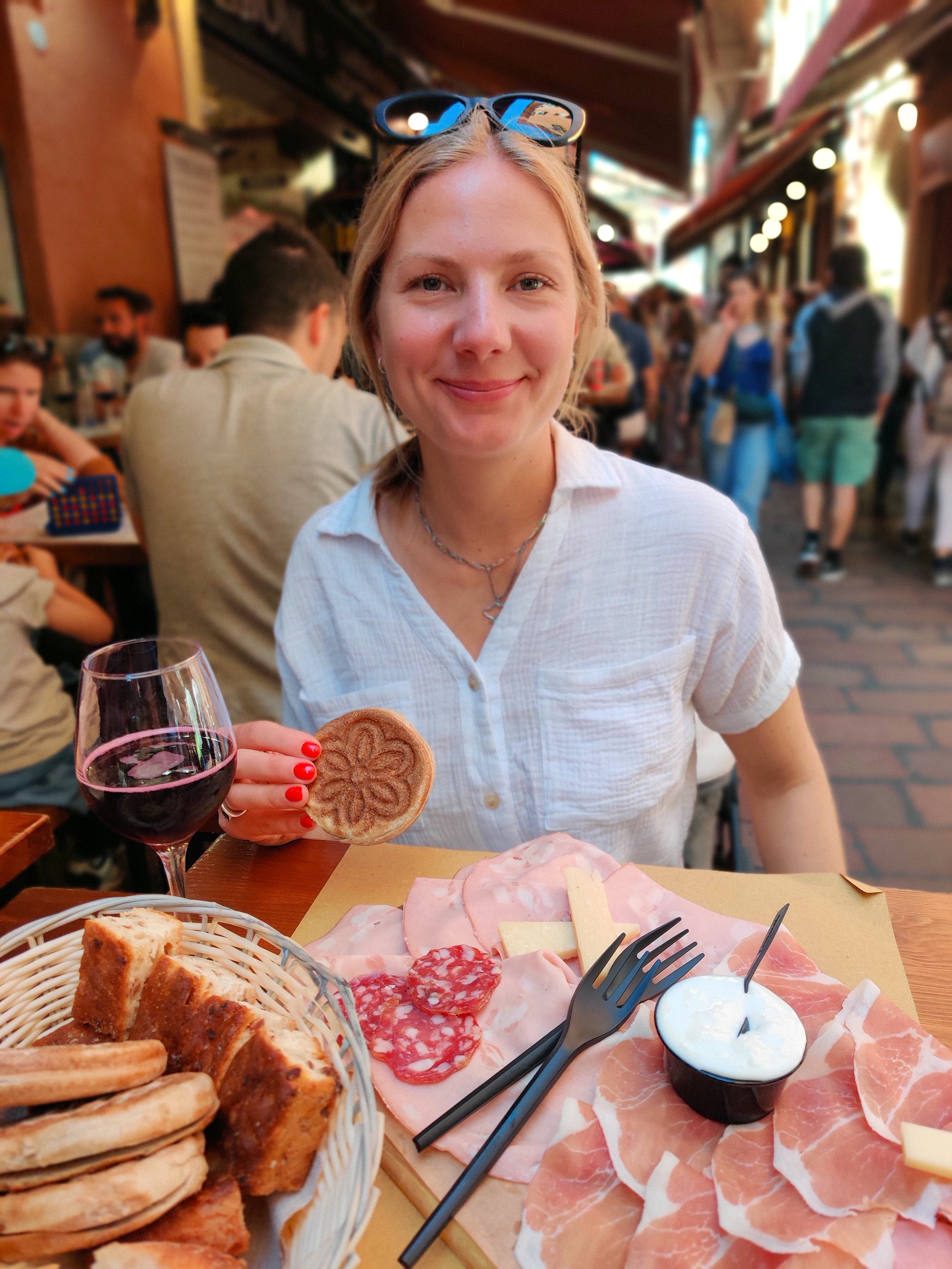
After lunch we found a bookstore with an English language selection. I chose a crime novel by Tom Benjamin. The Daniel Leicester series is set in Bologna and I found the book well written and peppered with interesting facts about the city. I look forward to reading other books in the series when I feel nostalgic about the red city and its charm.
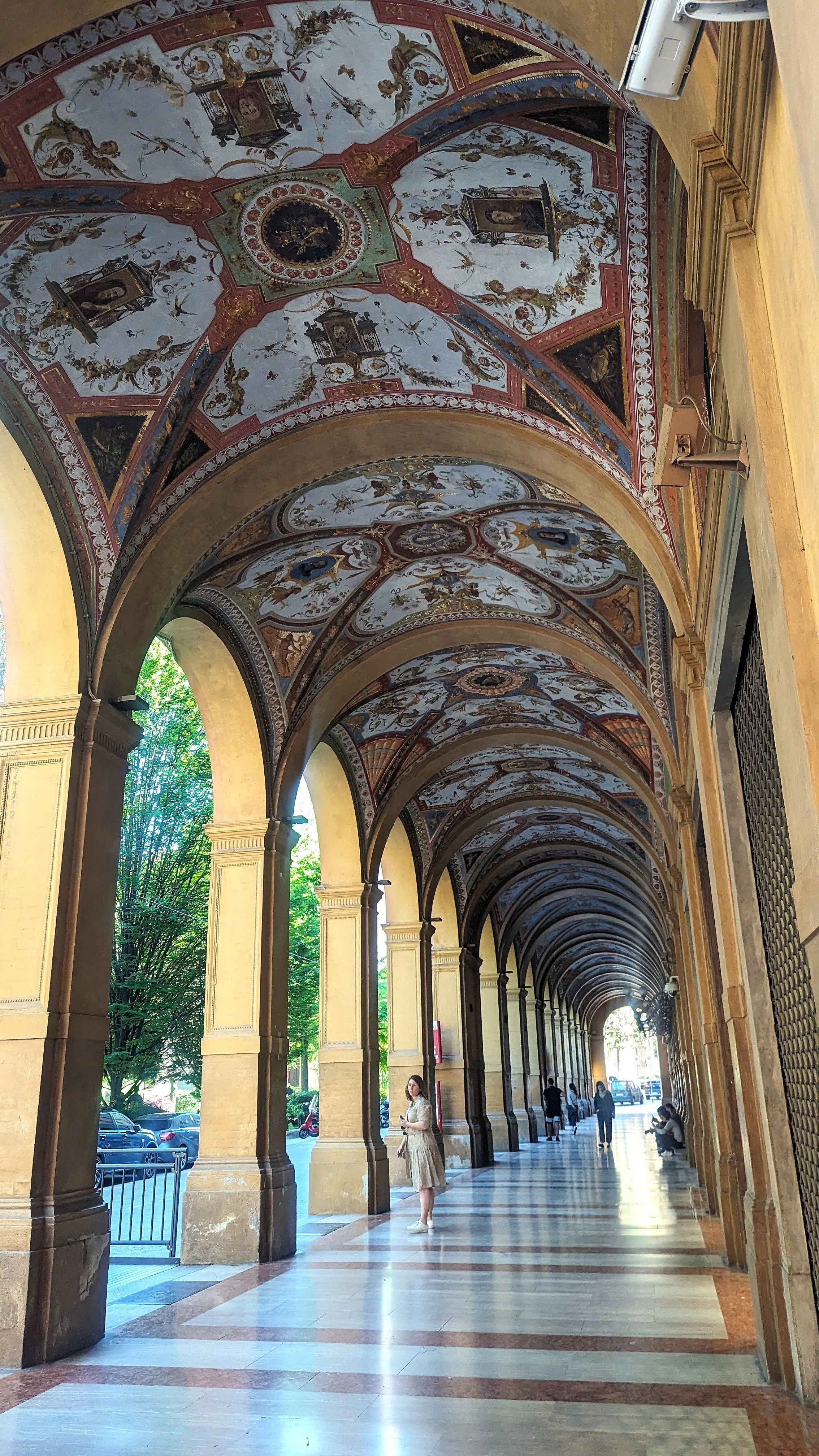
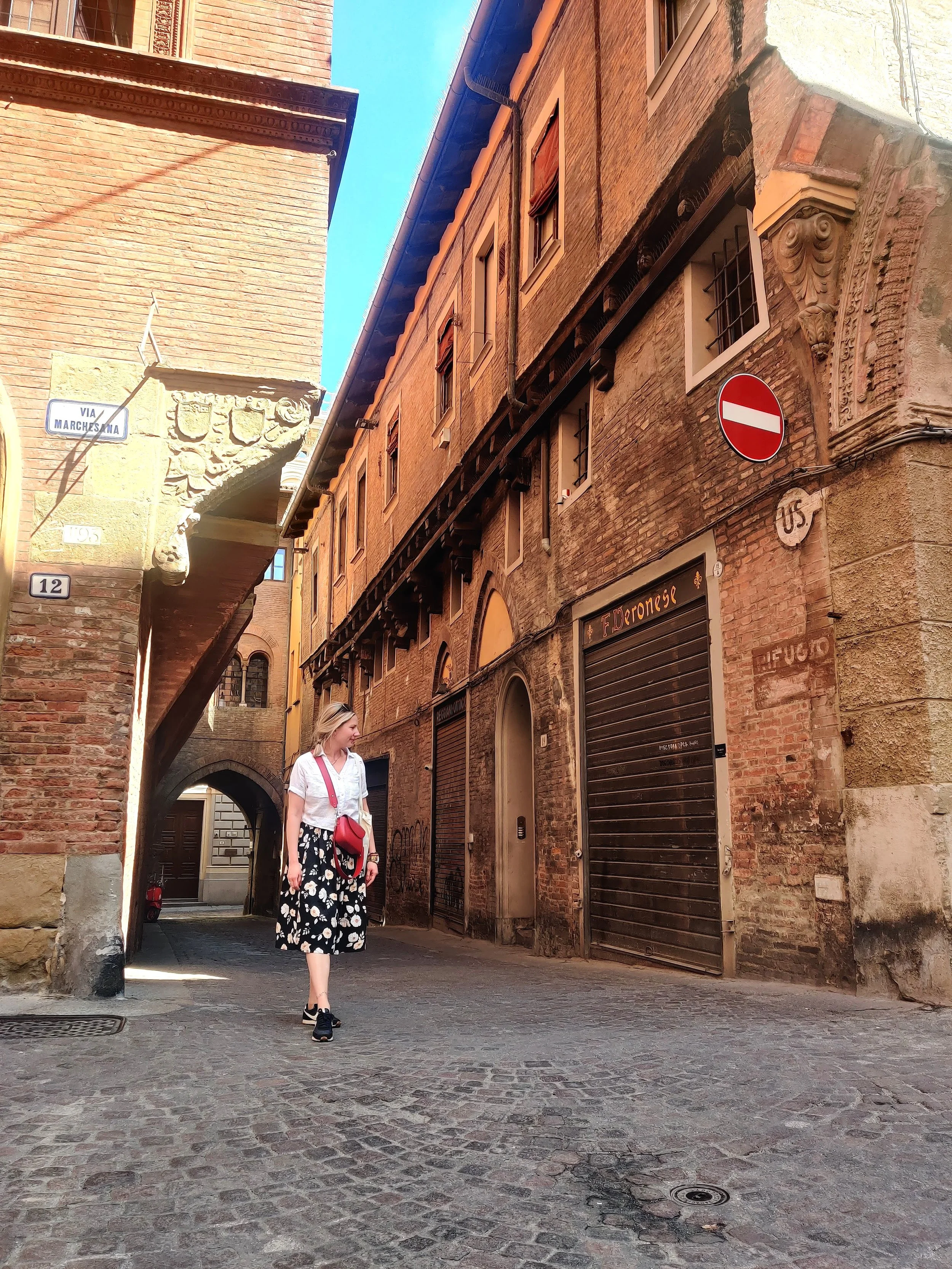
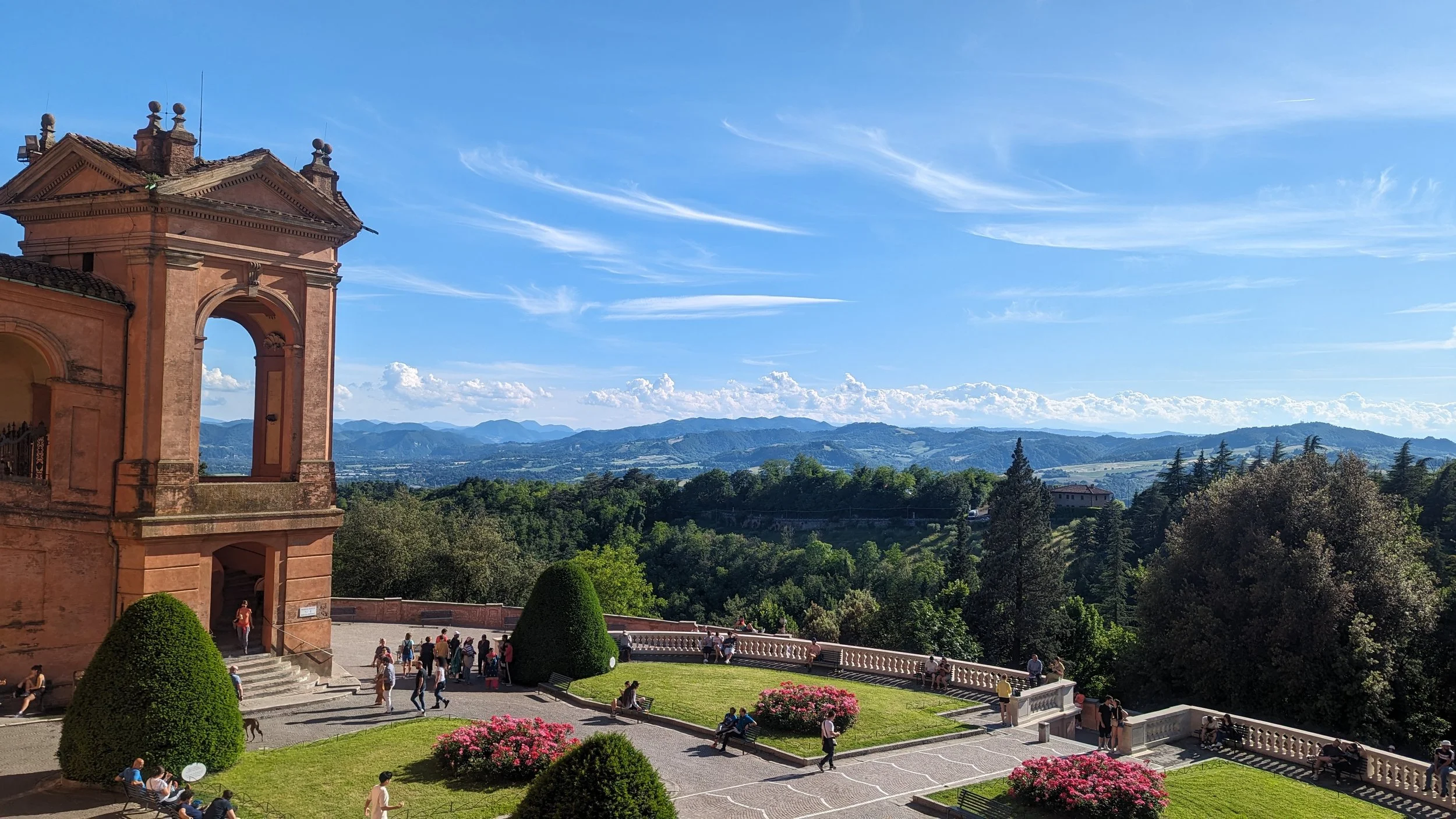
Unexpectedly energized and overly optimistic after our lunch we decided to check out the beautiful Santuario Madonna di San Luca, famous for its beautiful views of the city and the surrounding foothills. First, we walked to the Piazza Cavour with its highly ornate porticoes and another famous gelato shop, Cremeria Cavour. From there we took a city bus to the start of our walk.
We knew that the walk to the Santuario consists of 666 porticoes, so we expected a leisurely stroll shaded from the strong afternoon sun. What we failed to recognize is that to get that great view of the city we had to walk up. 666 porticoes worth of up. As we made our way we thought it might have been an act of penance for the Bolognese, as a pleasant stroll quickly turned into a physical challenge. For more reasonable people, a tourist trolley with an audio guide also makes the climb up there from the Piazza Maggiore. Up at the Santuario we were rewarded by stunning views of the valley below, but did take the trolley back down.
A dinner of fresh pasta at Sfoglia Rina and an aperitivo at the Piazza Santo Stefano concluded our visit to Bologna. It was time to continue our journey, and the next morning we took a train to Venice.
Venice
We arrived at the train station and dropped our bags at the hotel. Immediately the contrast between Bologna, mostly teeming with the students and locals, and Venice, bursting with international tour groups, was stark. As many other European cities, Venice has been grappling with the negative impact of overtourism. Home to one of the busiest cruise ports on the Mediterranean, Venice implemented a 5 Euro day fee and made 1 million in the first 11 days of the program in the summer of 2024. We strongly recommend spending a few nights in the city and patronizing the smaller local businesses to contribute to the solution and not the problem of overtourism.
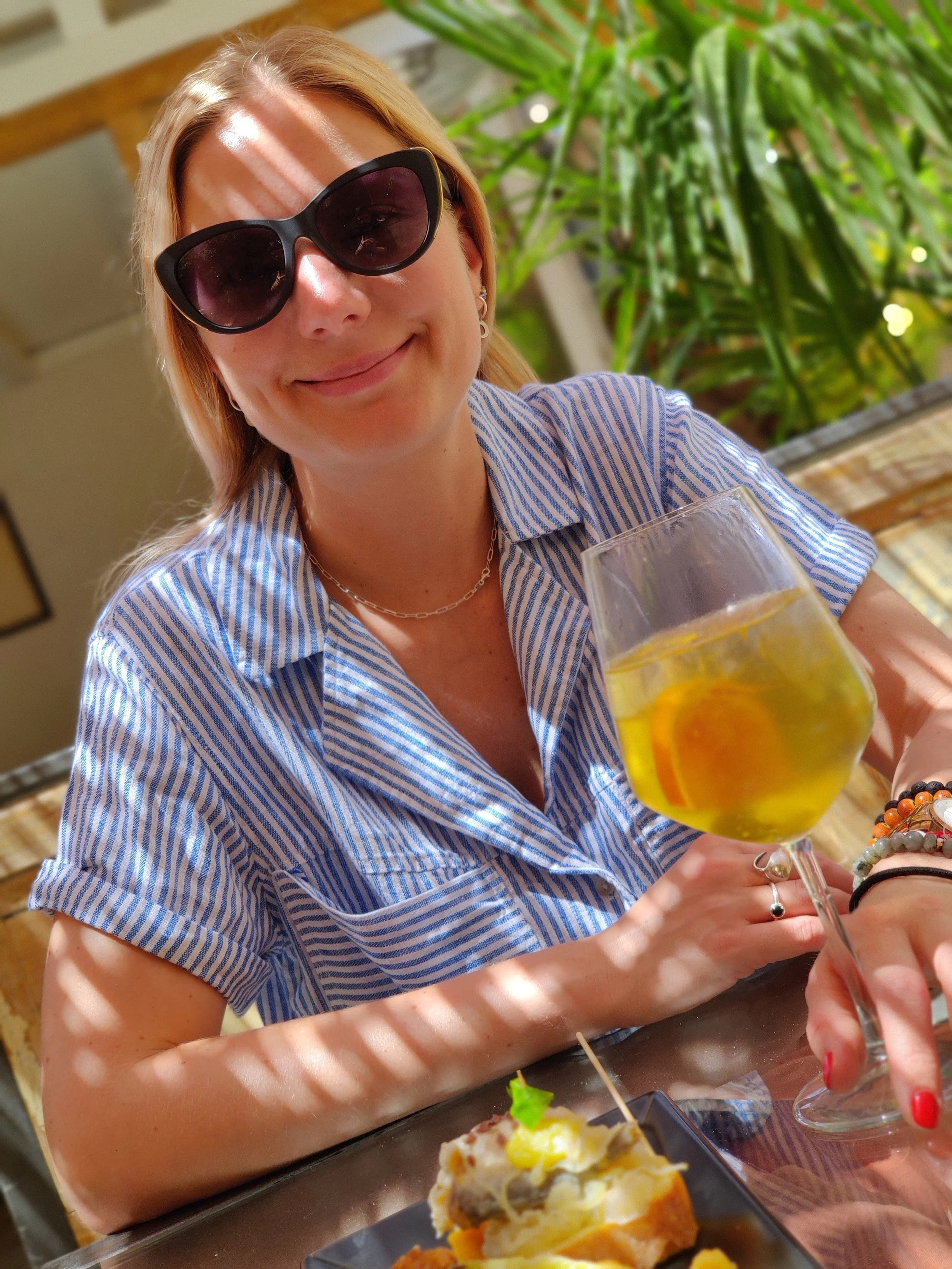
Our agenda that afternoon obviously began with tiramisu, and we had our first taste at the Pasticceria dal Mas. According to historical records, the dessert was invented in a small Veneto town of Treviso as a natural aphrodisiac or “pick me up” by a smart proprietress of a house of pleasure. Venice, the capital of the region, is a great place to indulge in this famous dessert.
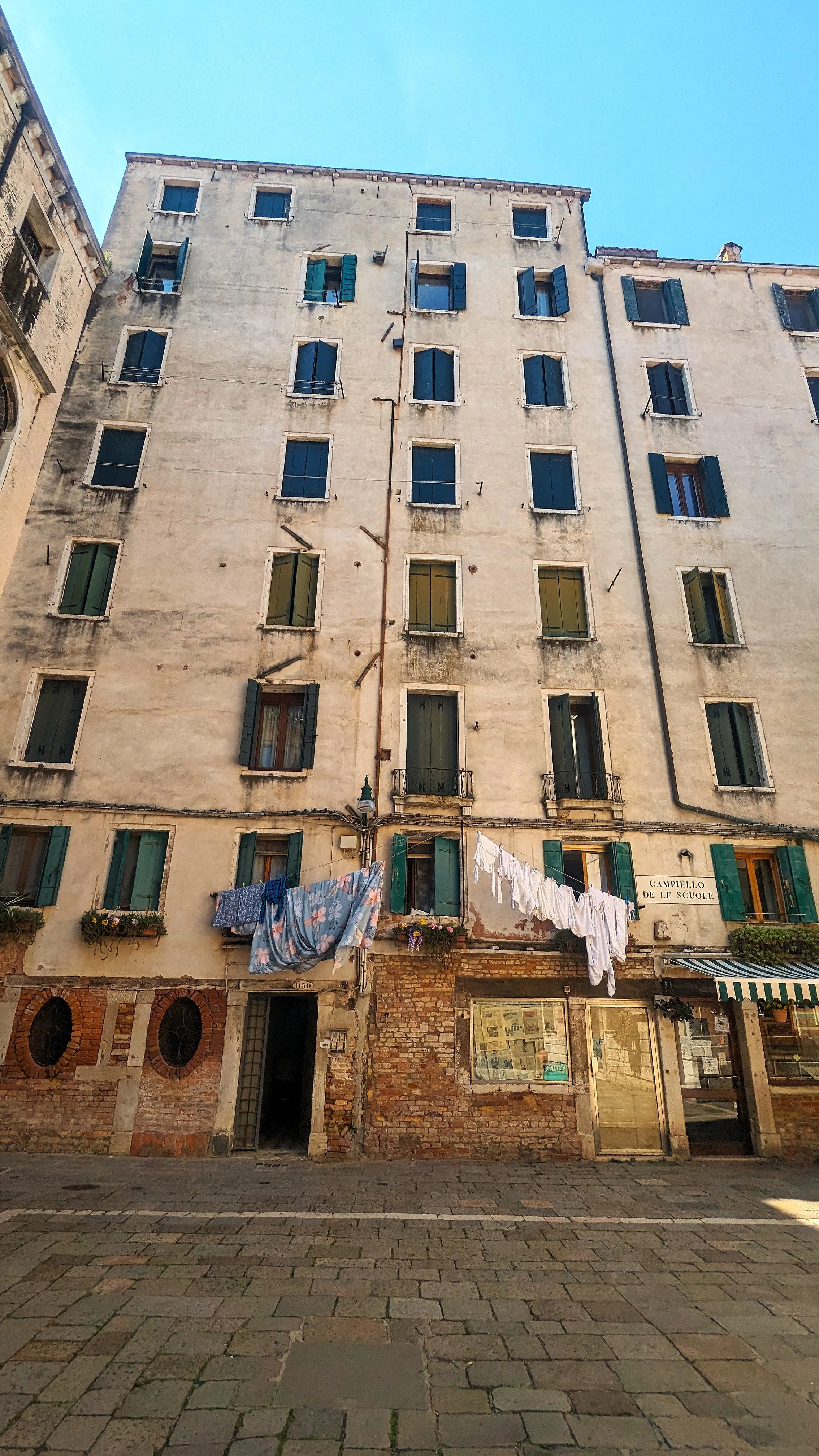
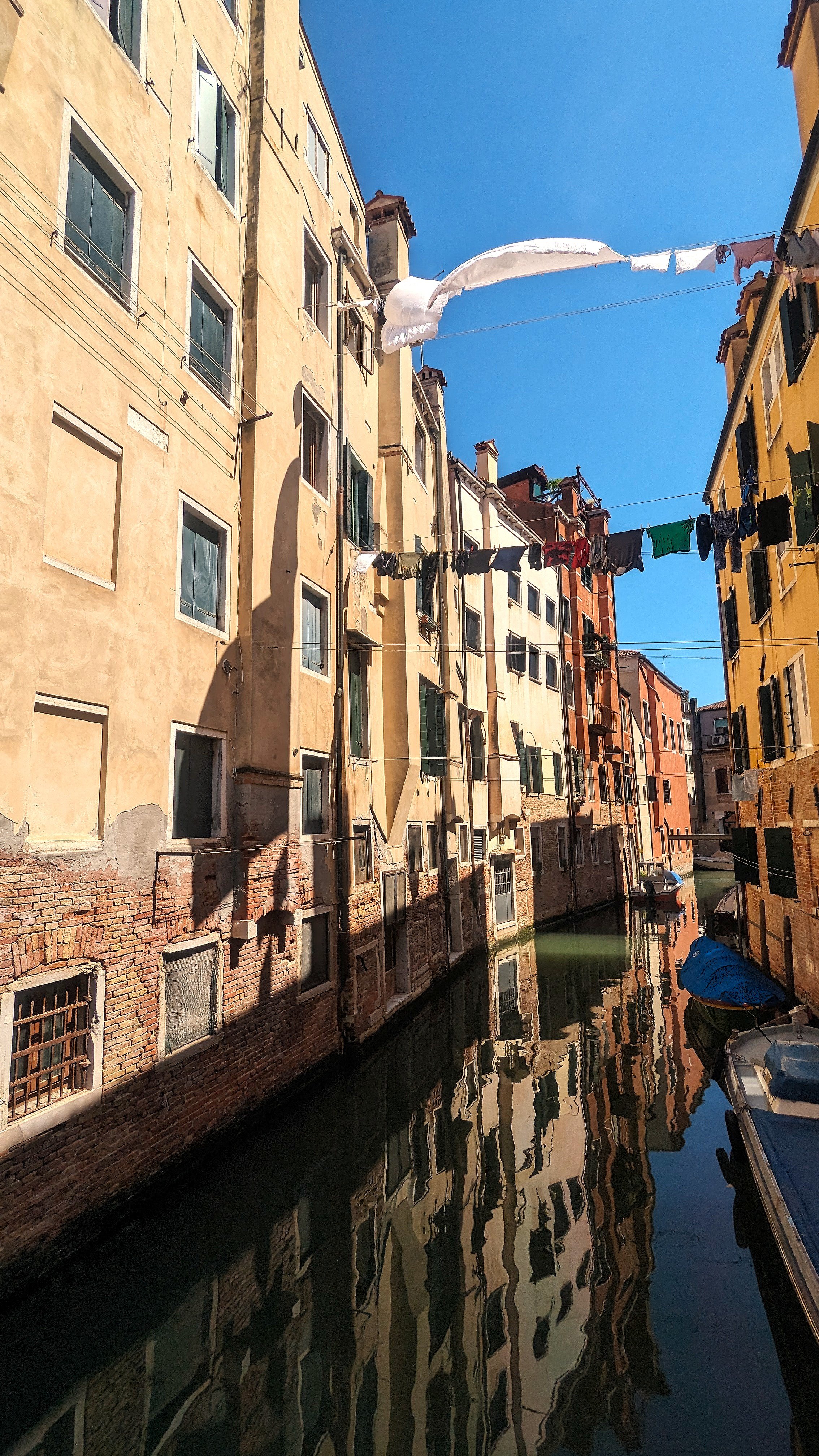
Fortified and caffeinated we met up with our walking tour of the Cannaregio with Venice Free Walking Tour. The organization is a network of local guides, and their tours are donation based. Our guide Laura was amazing, and we spent nearly three hours wandering through the ancient Jewish ghetto (where the word itself originated in the 16th century). We heard many fascinating stories about this area of the city, as well as about Venetian life and their struggle with flooding, their need to convert old churches and theaters for more practical uses (like grocery stores and gyms!), and so much more.
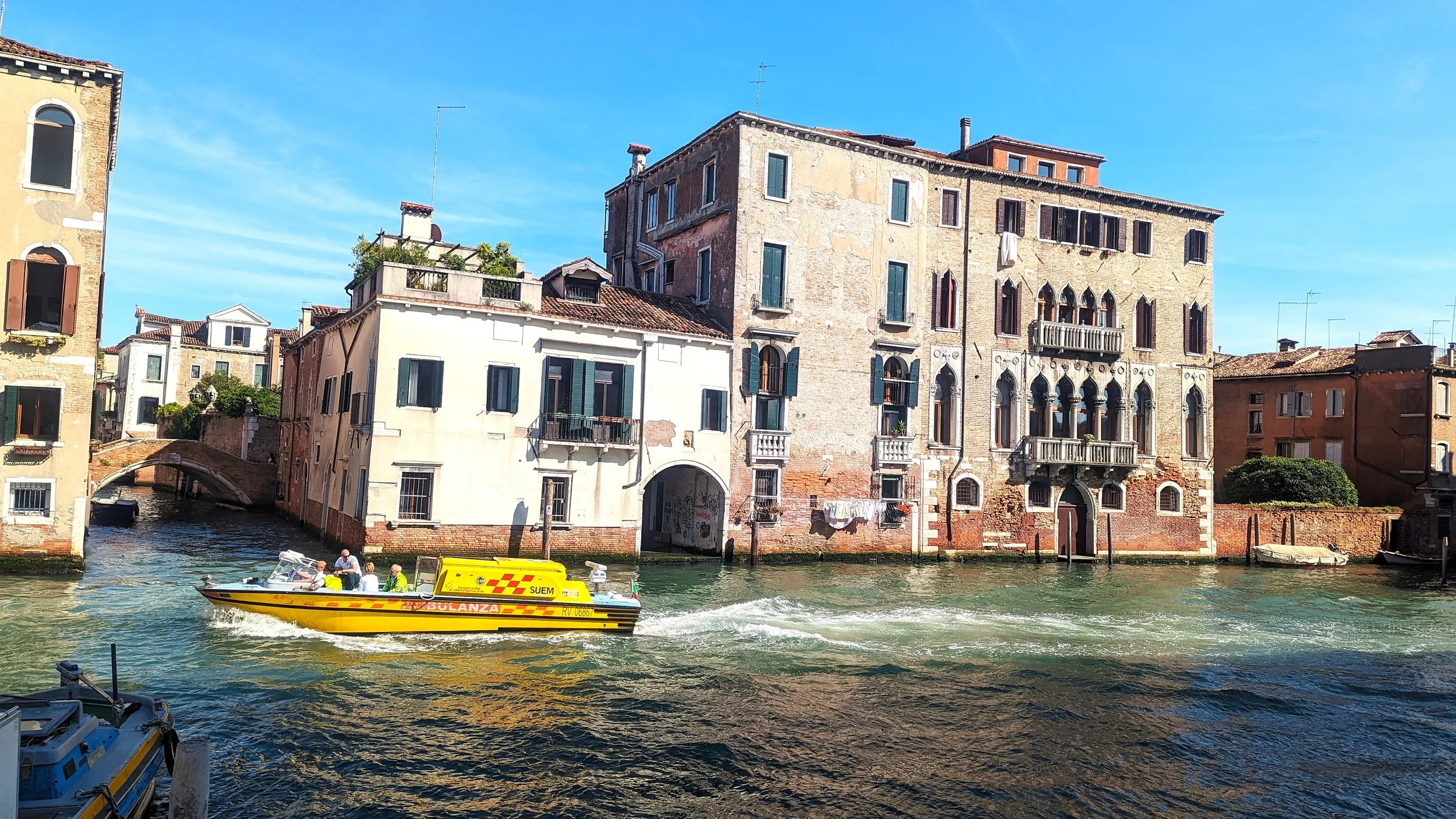
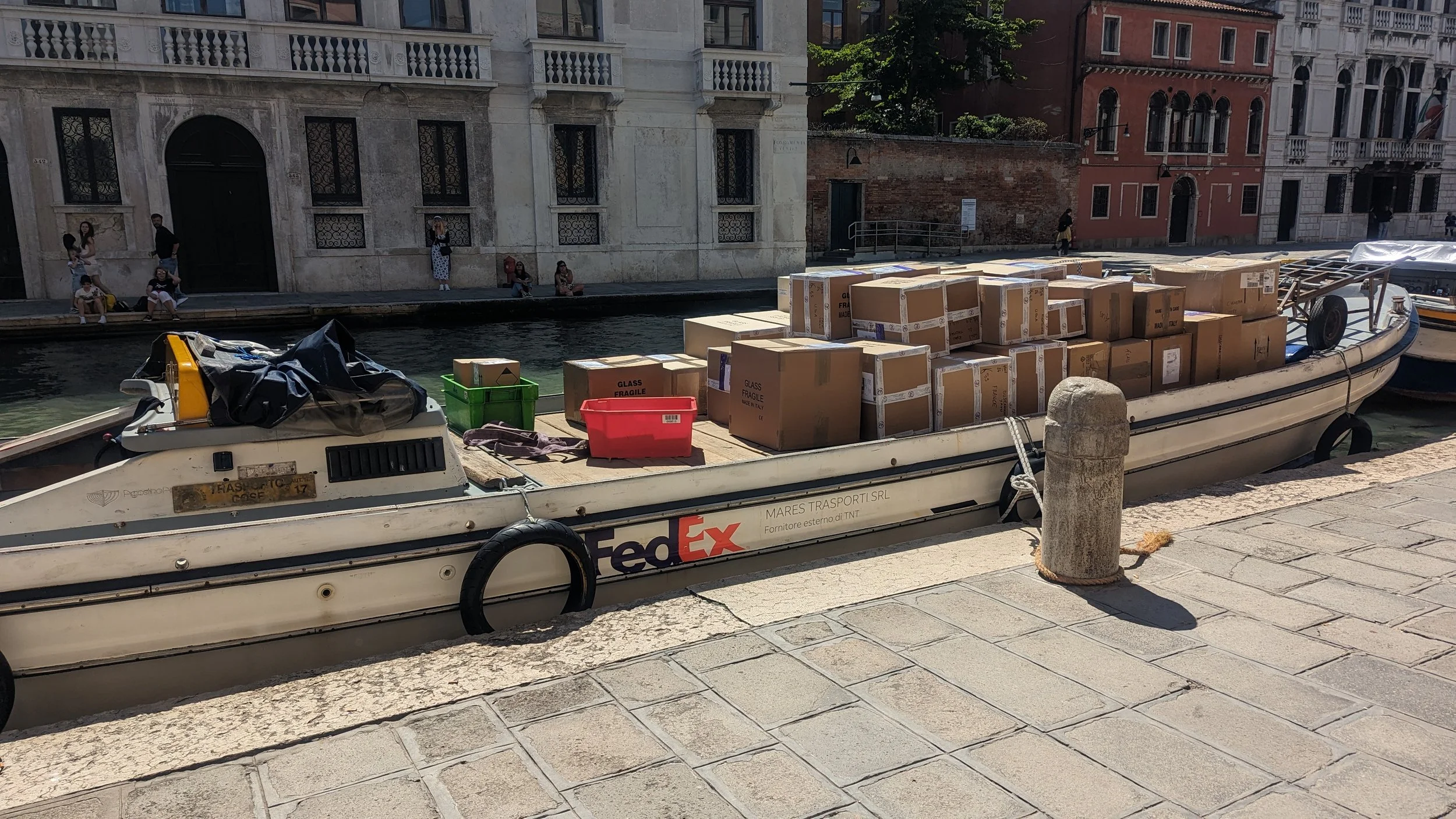
Local ambulance
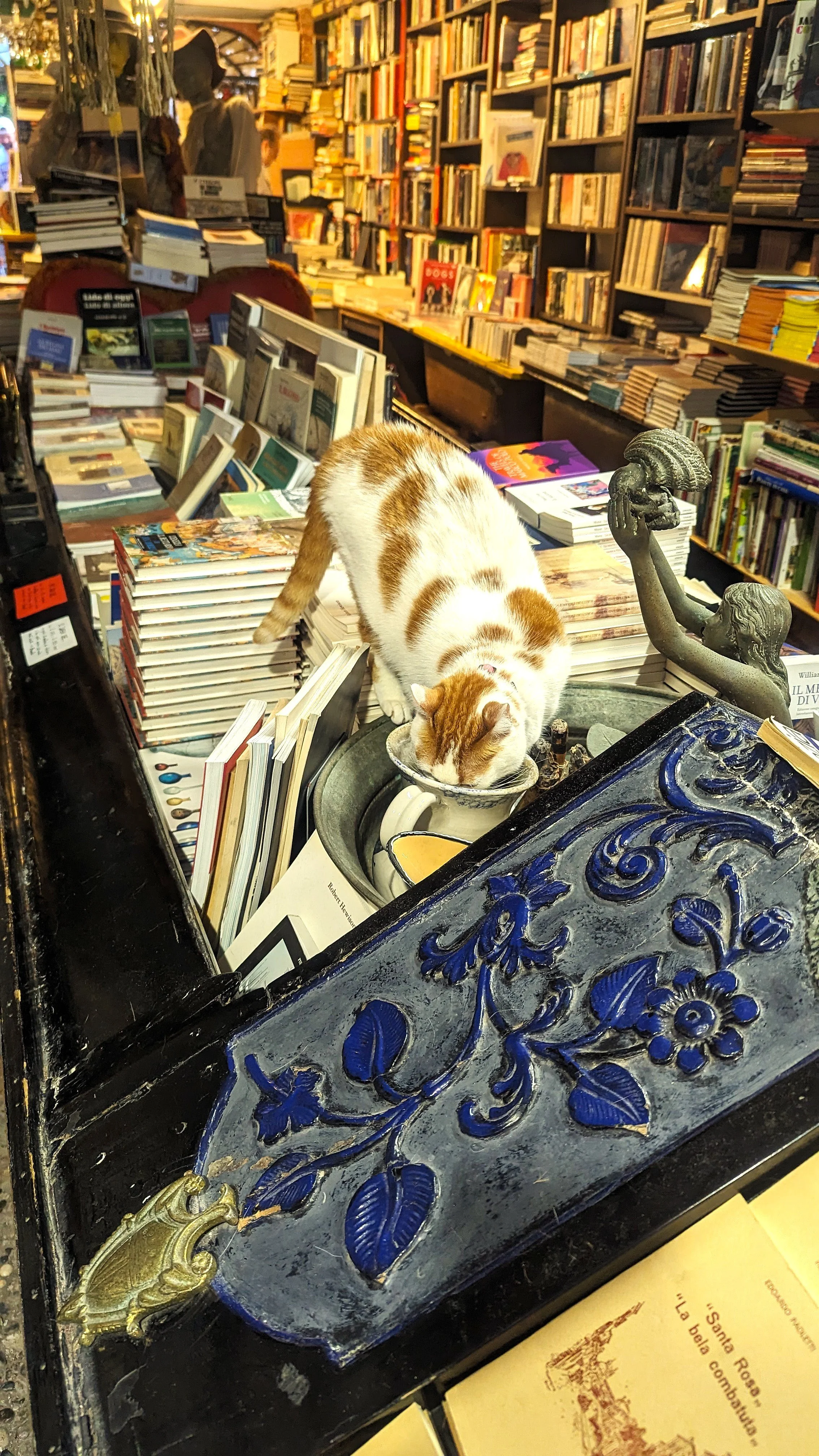
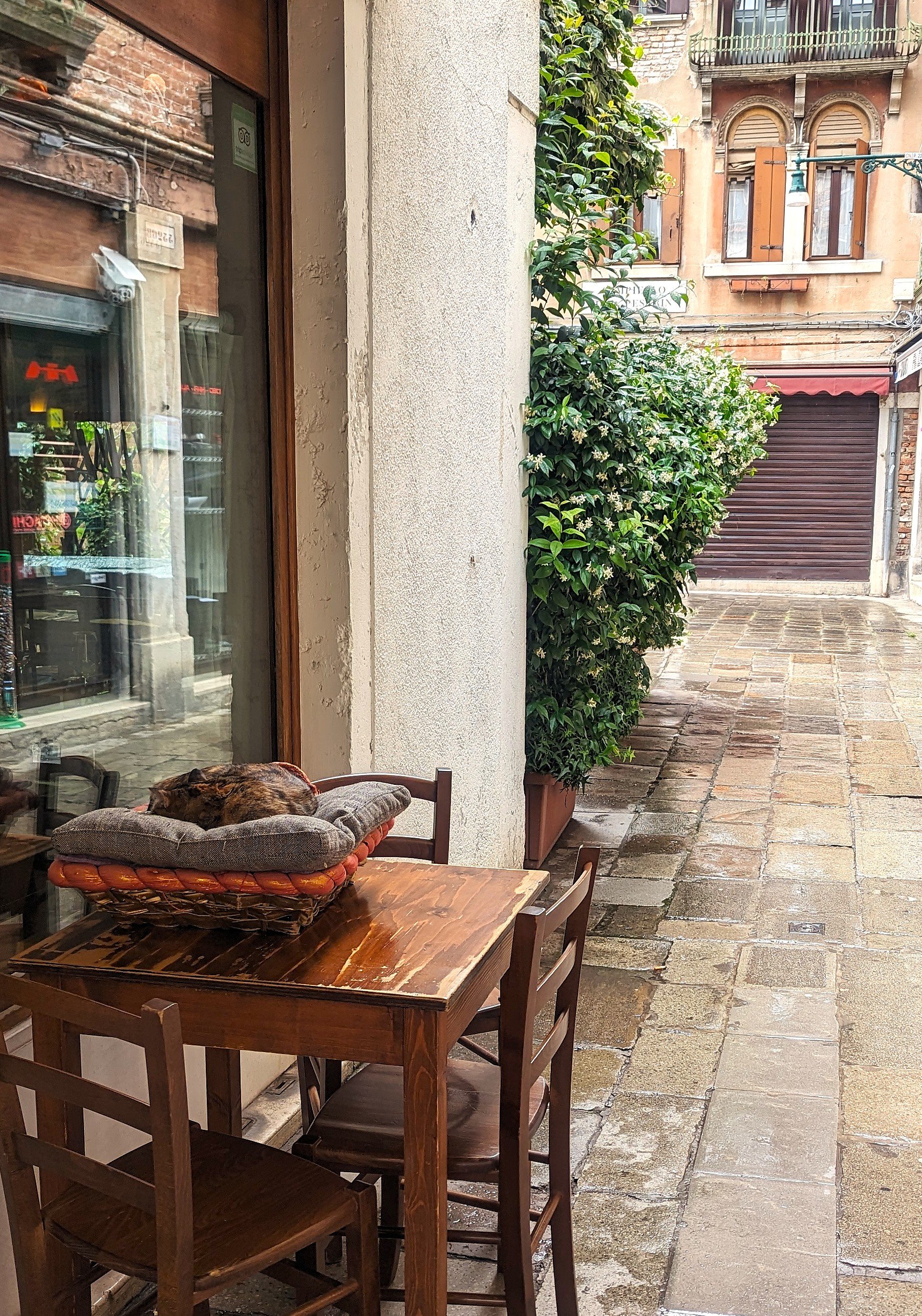
We continued our walk and visited the Libreria Acqua Alta, equally famous for their ingenious way of protecting the books from flooding as for their cats. We had a dinner reservation to get to so we made our way over one of the famous bridges over the Grand Canal - Ponte dell'Accademia. This bridge features one of the most iconic postcard views of the city, and connects the San Marco neighborhood with Dorsodouro.
Our dinner reservation was in another authentic Venetian neighborhood of Dorsodouro, and had we had more time in the city, we would have liked to spend more time exploring it, or potentially staying here. Venice is a walkable city (in fact, there are few other options to get around) but it is deceptively large. In fact, I don’t think it is possible to cover it all in one day, especially since you have to carefully choose your way not to dead end at a canal every other street you take. While helpful, GPS is far from perfect here.
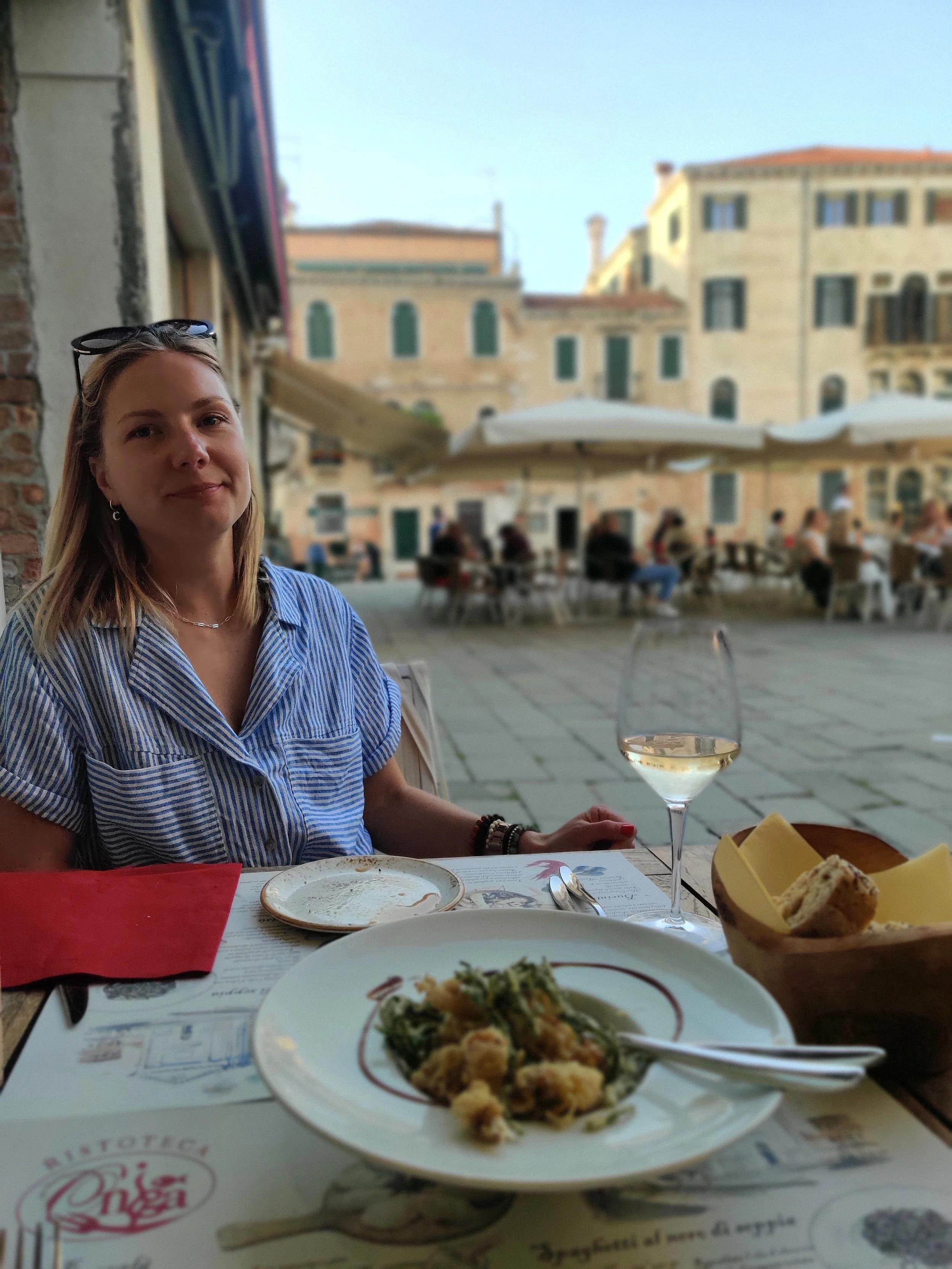
A delicious dinner of seafood and pasta with a lovely view of the square awaited us at Ristorante Oniga. After dinner we visited the Ponte dei Pugni, famous for its regular fist fights back in the day. We then continued our walk back to the hotel and crossed our second bridge over the Grand Canal - the modern Ponte della Costituzione.
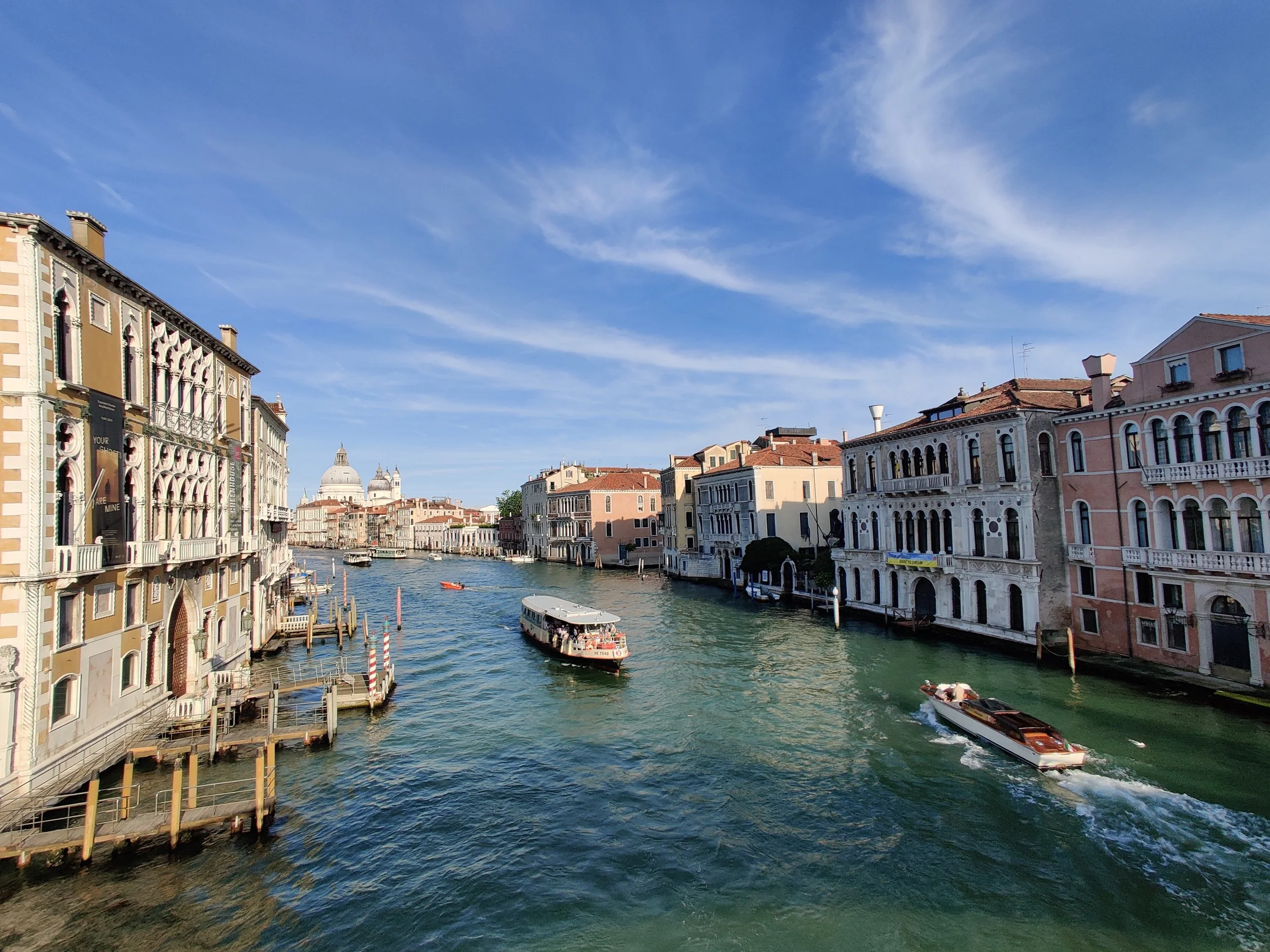
View from Ponte dell'Accademia
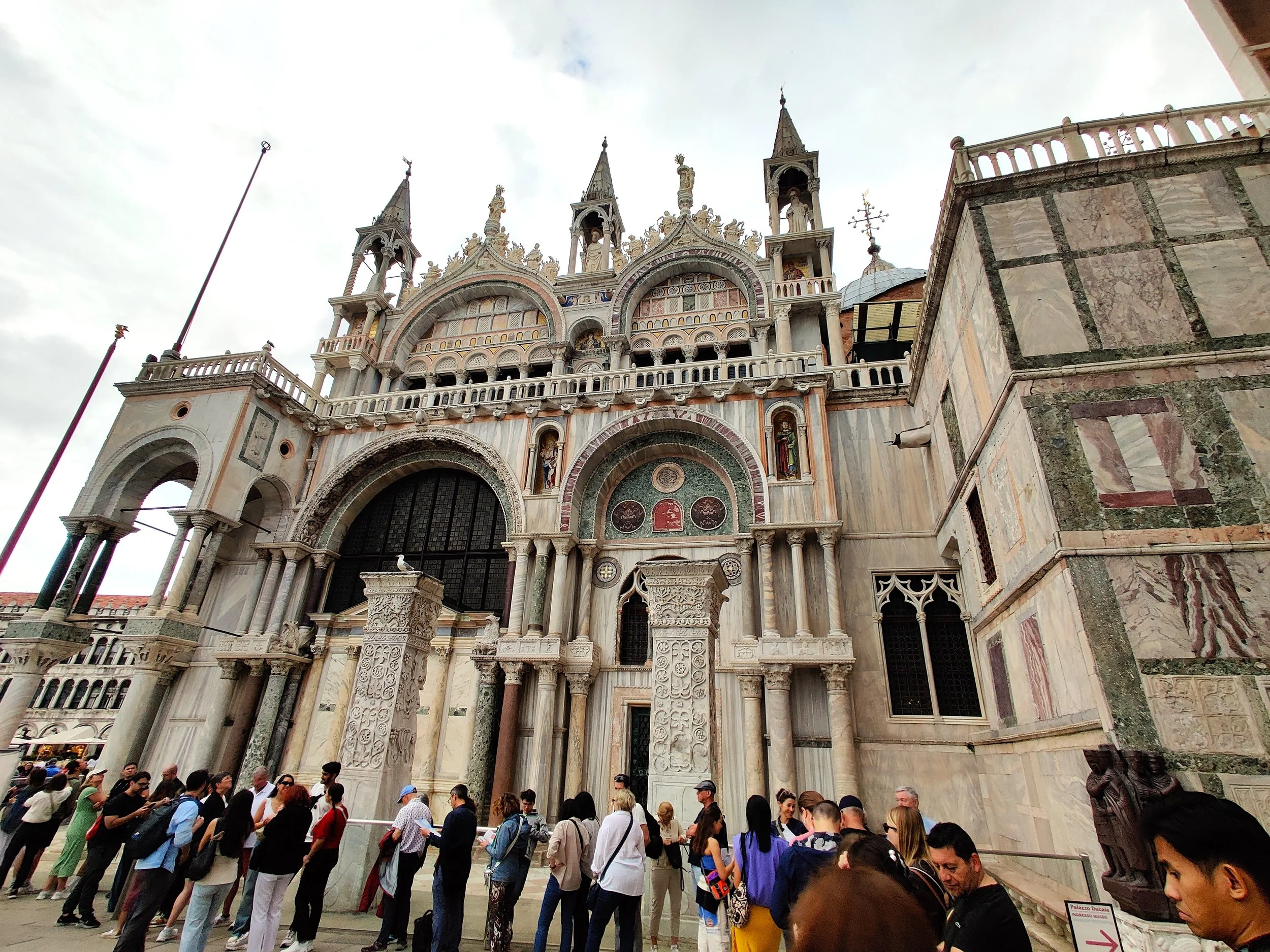
The next morning we set off to get in line at the Basilica di San Marco before it opened at 9:30. It is recommended to reserve timed tickets ahead of time, but getting in line that morning worked for us. The Basilica is definitely worth seeing, and one can appreciate multiple influences from all the places Venetian merchants traded with at the time. Before this trip we read City of Fortune: How Venice Ruled the Seas by Roger Crowley and gained a better understanding of this maritime republic’s history. So we couldn’t help but notice the four bronze horses on the Basilica’s facade that were stolen from Constantinople during the Fourth Crusade.
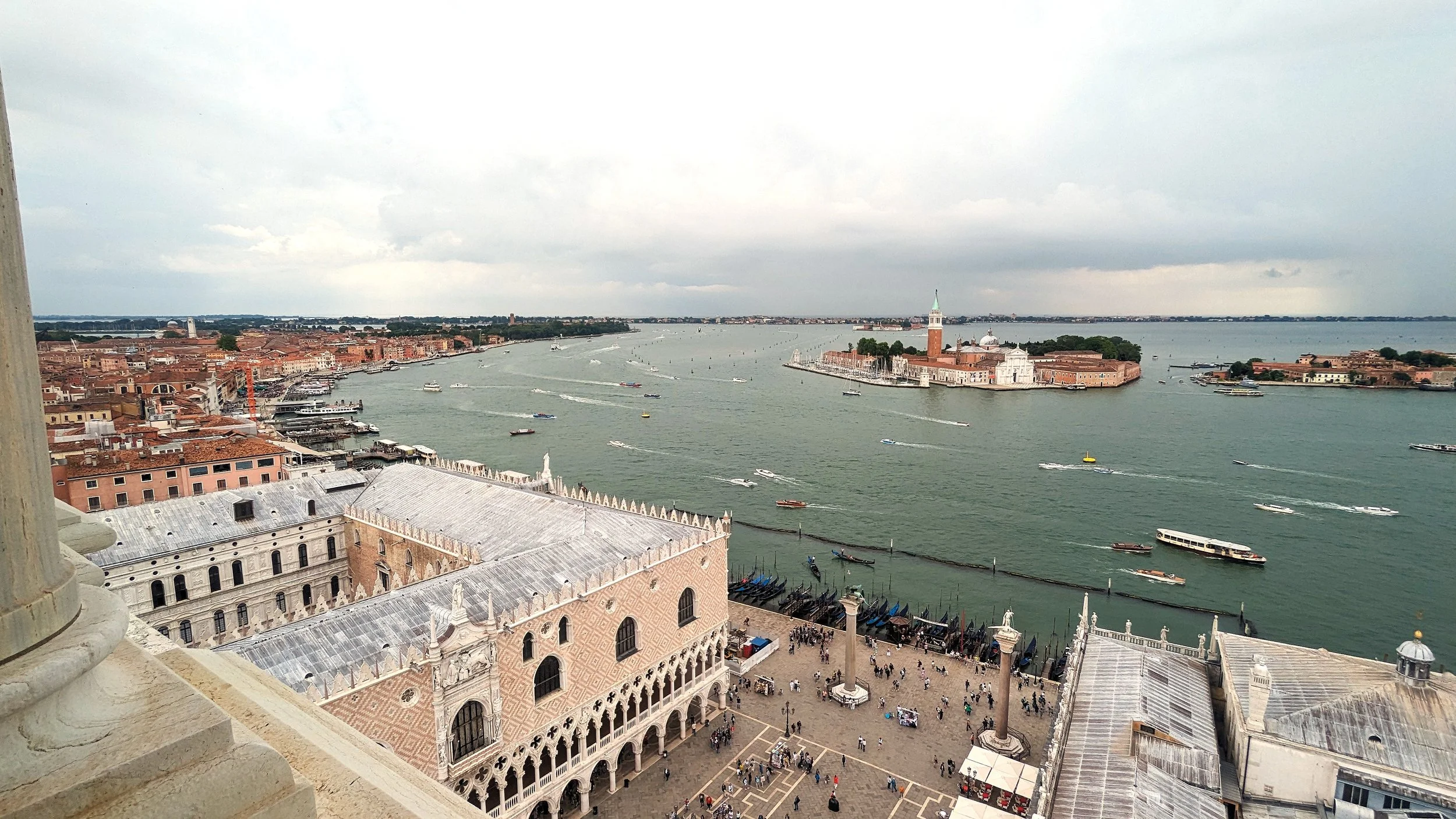
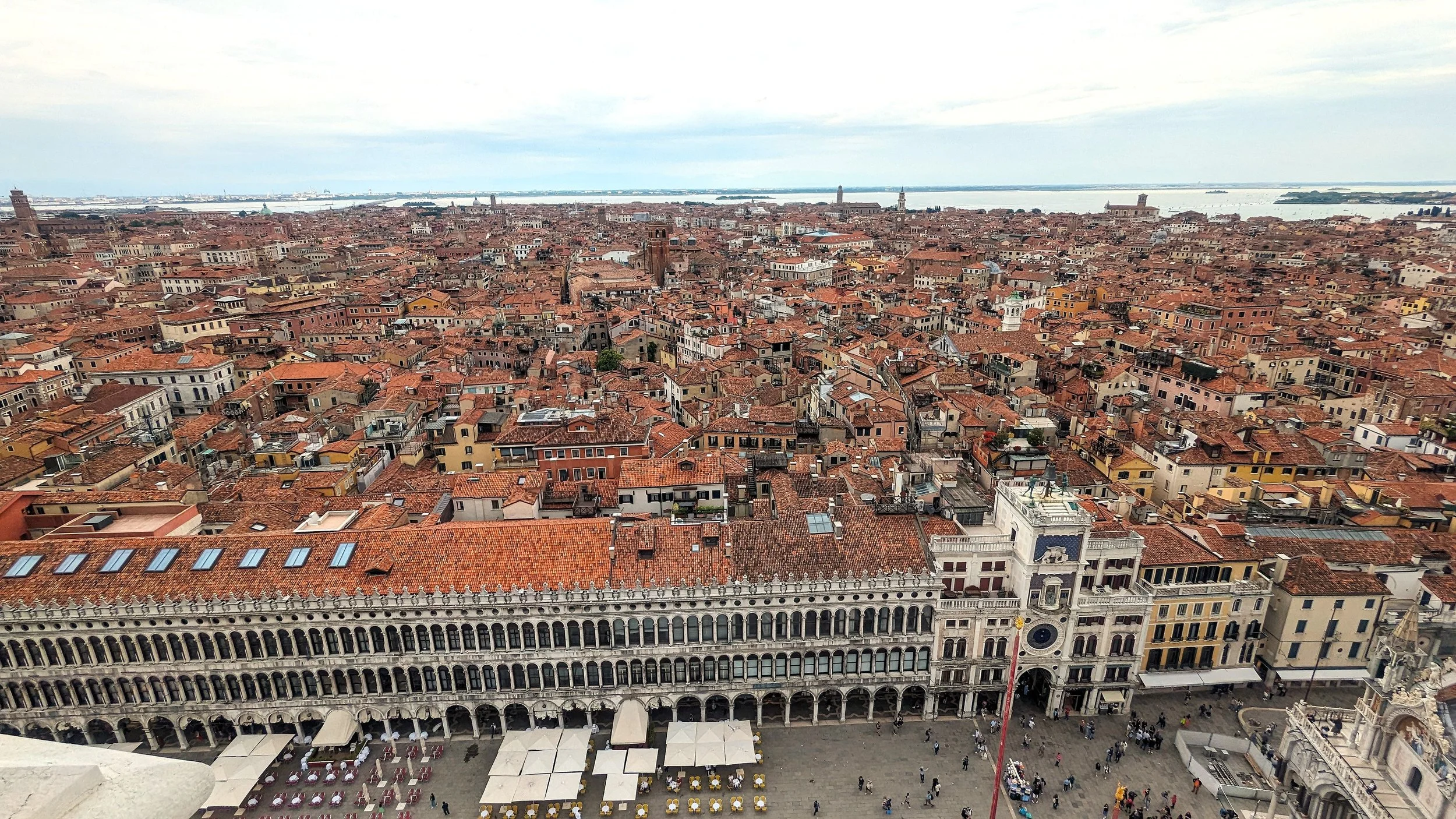
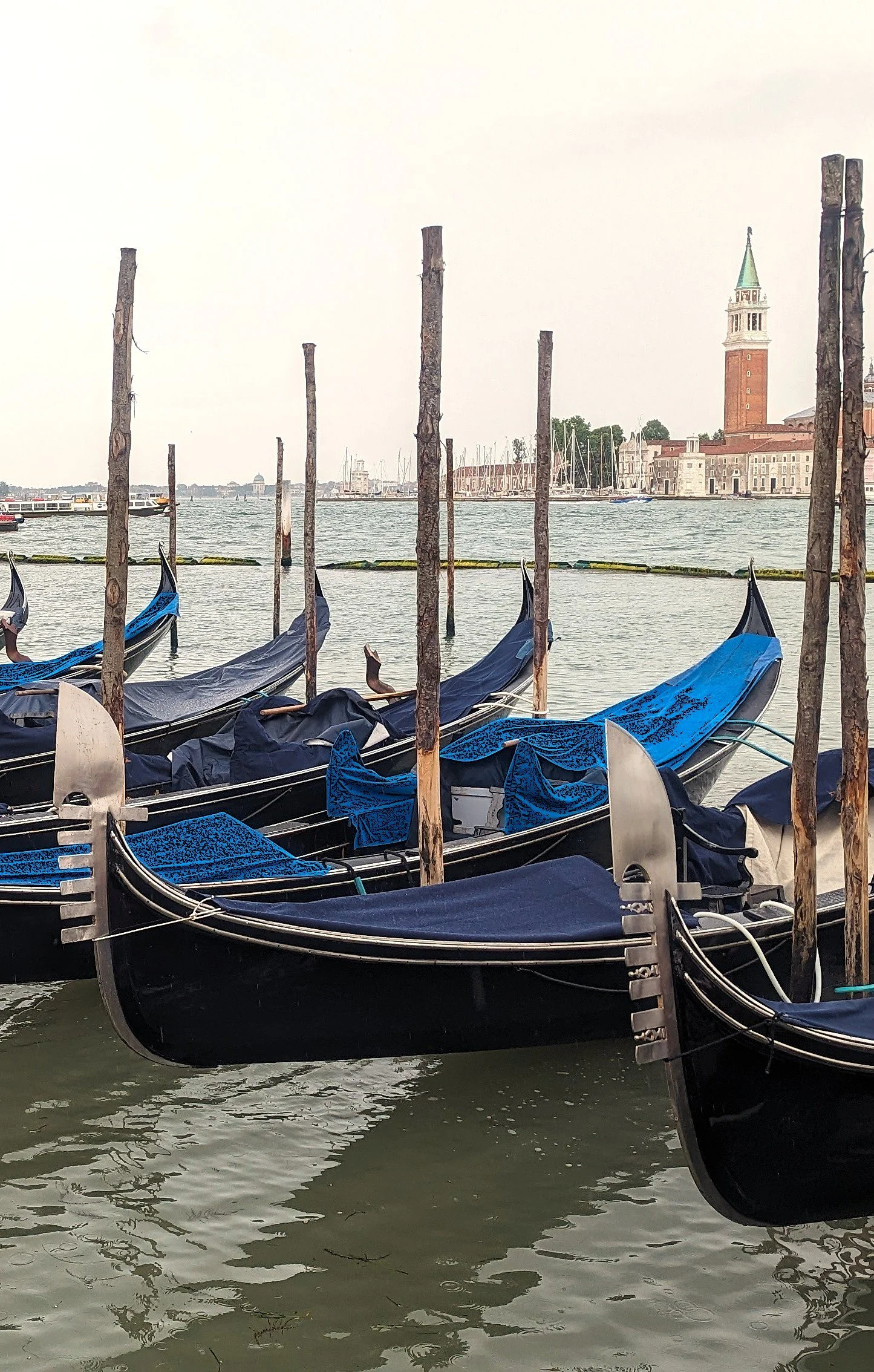
After admiring the Basilica we also purchased tickets and went up the Campanile for a stunning birds eye view of the city and the lagoon. Back down on the piazza, standing by the water we imagined 13th and 14th century Doges receiving delegations at their magnificent Palace, merchant fleets setting off into the great unknown, and armies departing for war.
The rain that started earlier intensified so the streets were emptying and we decided to check off our third bridge over the Grand Canal, the famous Rialto bridge. For a long while this bridge was the only way across and a gateway to the Rialto market where Venetians converted their maritime trading successes into gold, and where merchants from all over the world congregated not only to buy and sell, but to hear the news from every corner of the globe.
Wet and hungry for lunch we stopped for a glass of prosecco and a few cicchetti at Un Mondo Divino. The place charmed us with its unassuming authenticity, and we enjoyed our delicious food and watched several older Venetian gentlemen gossip while sipping their midday aperitivos.
Burano
The rain cleared and it was time to get on the water. We caught the vaporetto (water bus) at the Fondamente Nove station and headed to the island of Burano. There are many tours that offer the visit to the islands of Murano, Burano, and Torcello, but we found using public transportation easy and affordable. As the boat made its way through the lagoon we saw several marshland islands, which offer a glimpse into what the Venetian archipelago must have looked like centuries ago, before becoming settled and built up.
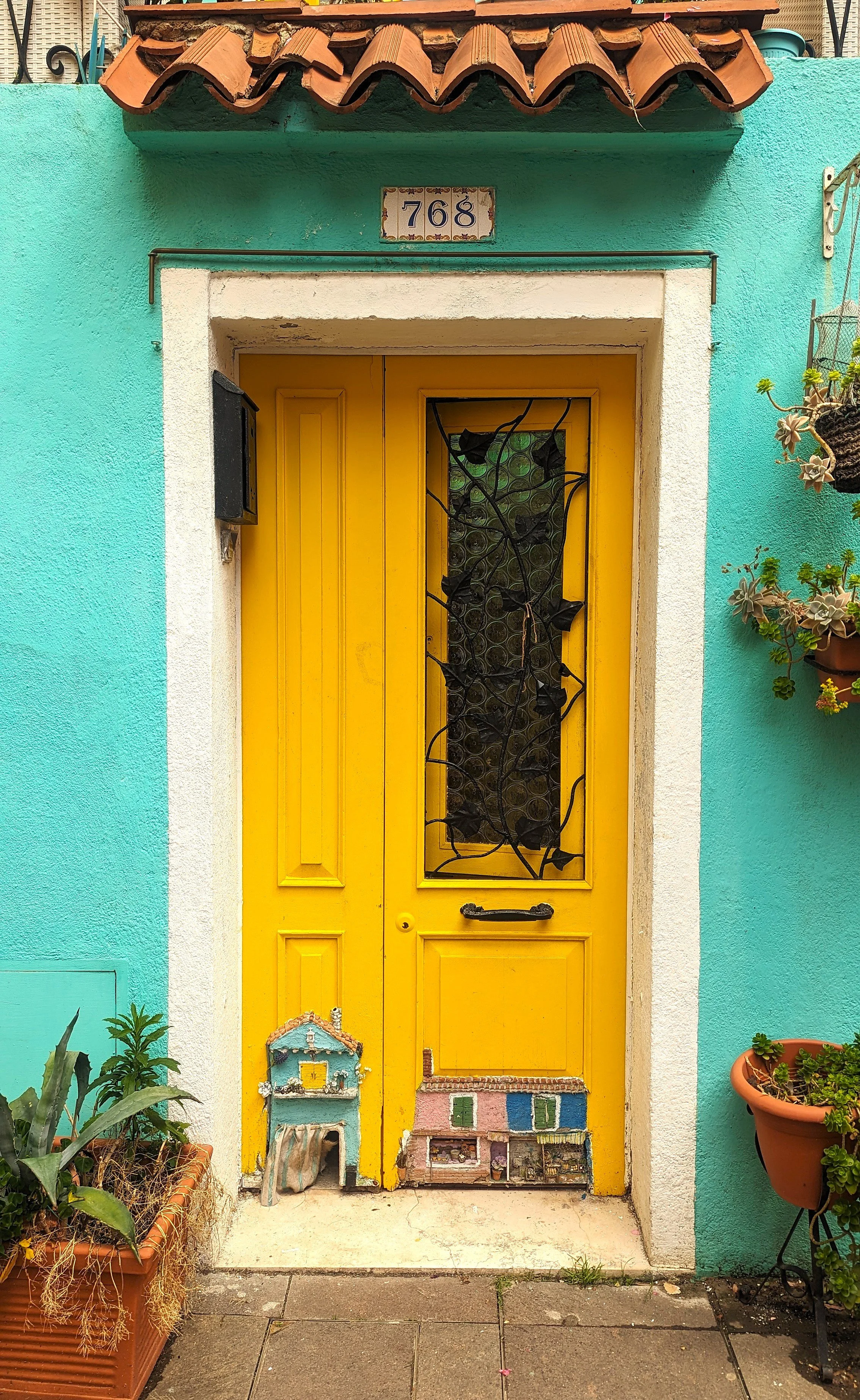
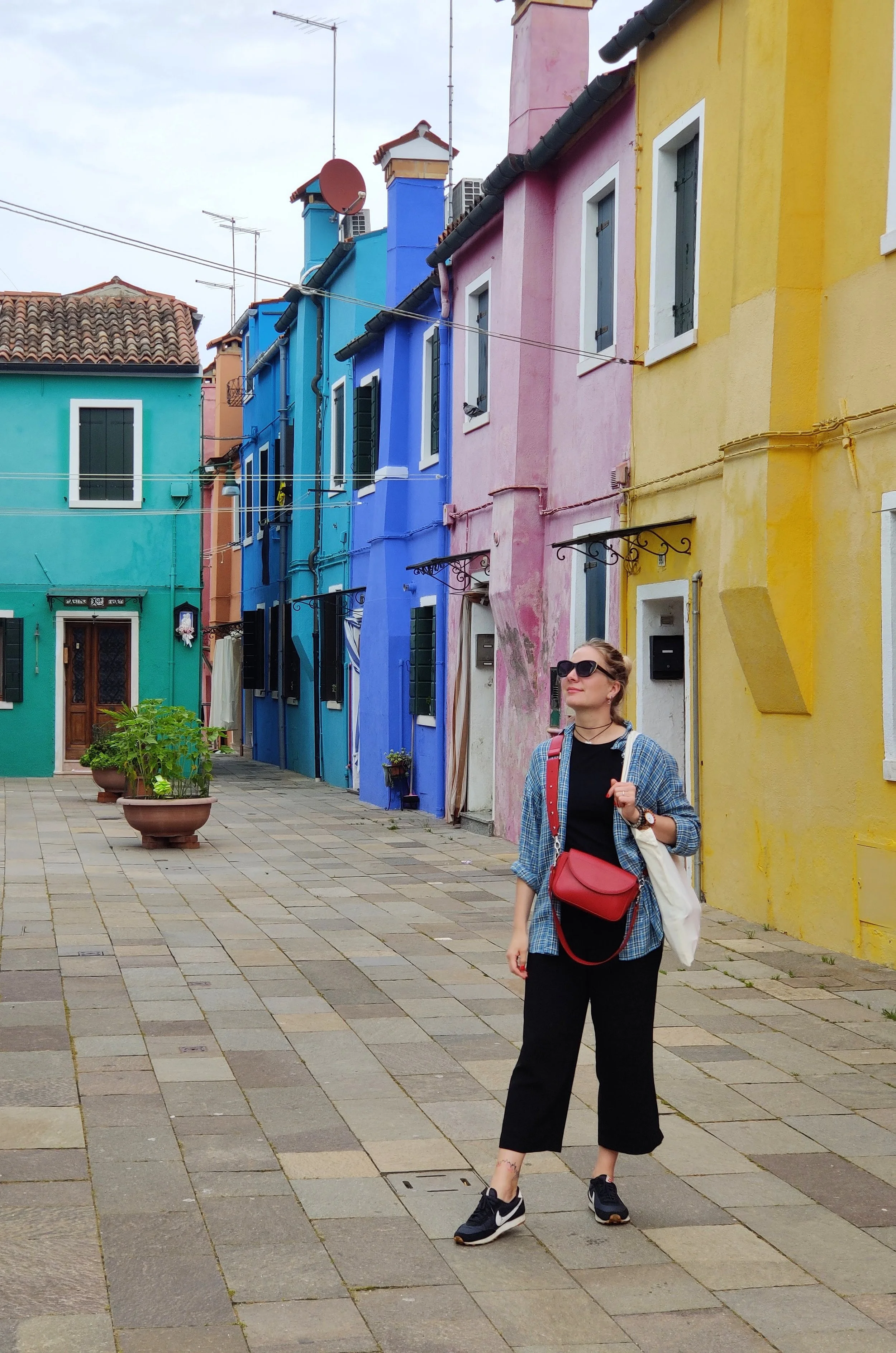
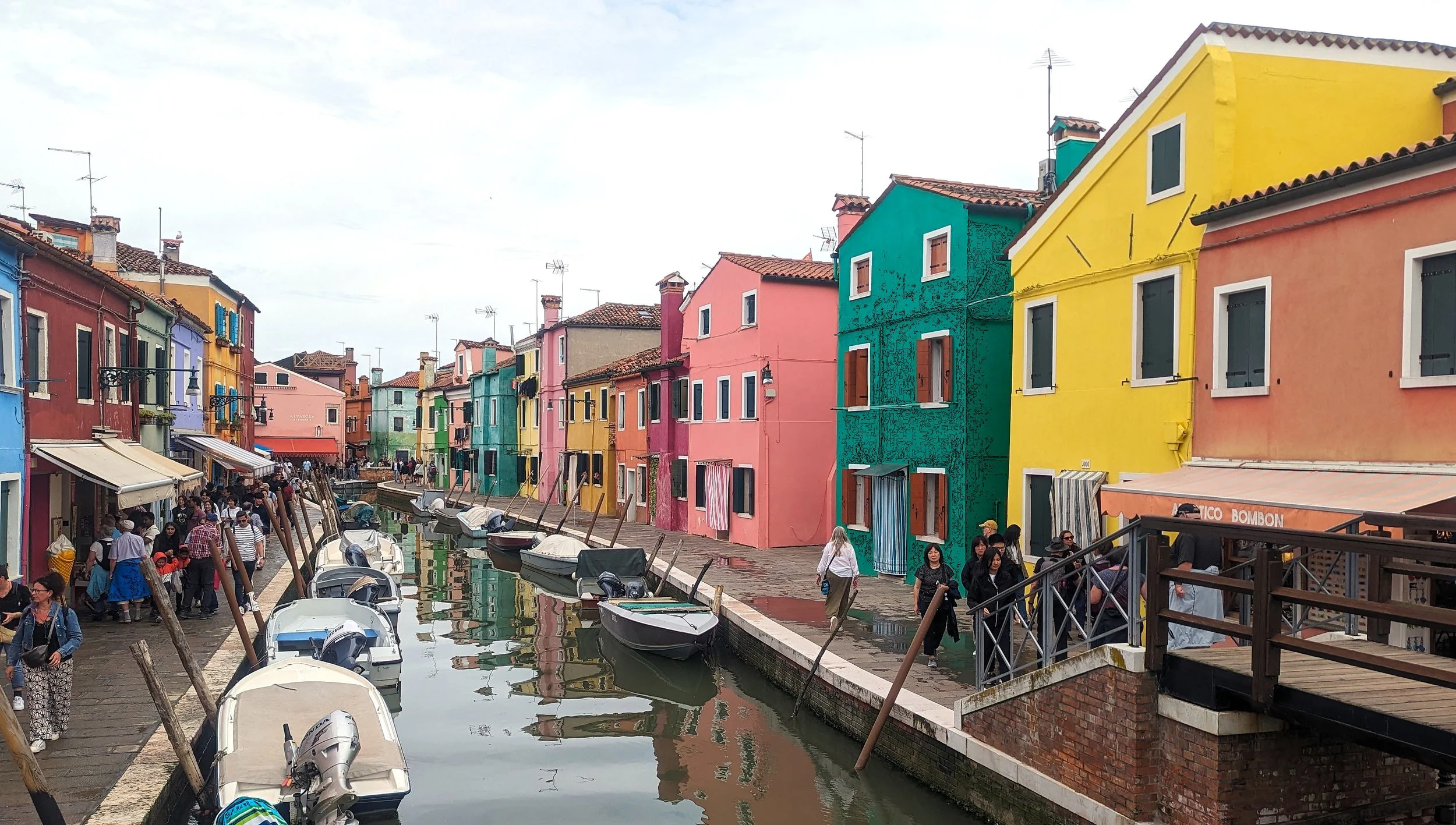
Burano was once famous for its lace but now mostly for its instagrammable colorful houses. There are several legends explaining the vibrant color choices of the locals, but I think they just like to have some fun at the home improvement store. The town is very small and features multiple cafes and souvenir shops. We stopped at the Panificio Pasticceria Garbo for the local specialty, bussolai butter cookies.
The same water bus also offers stops at Torcello, the first settlement of the area, and Murano, famous for its glass. If a stop at Murano is not in the cards there are several glass workshops in the city itself to see working demonstrations, learn about what makes Murano glass unique, and purchase authentic jewelry, figurines, or glassware.
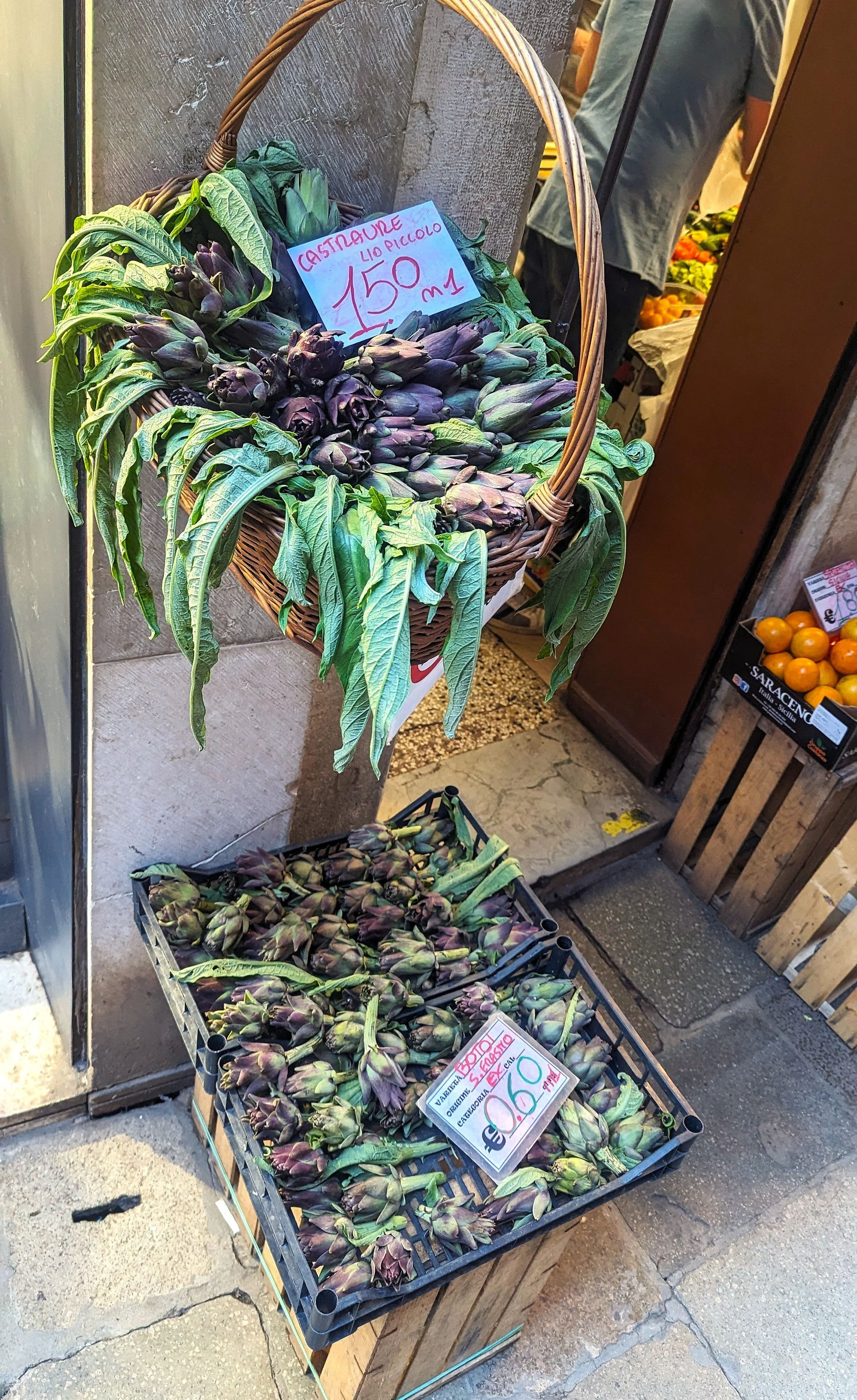
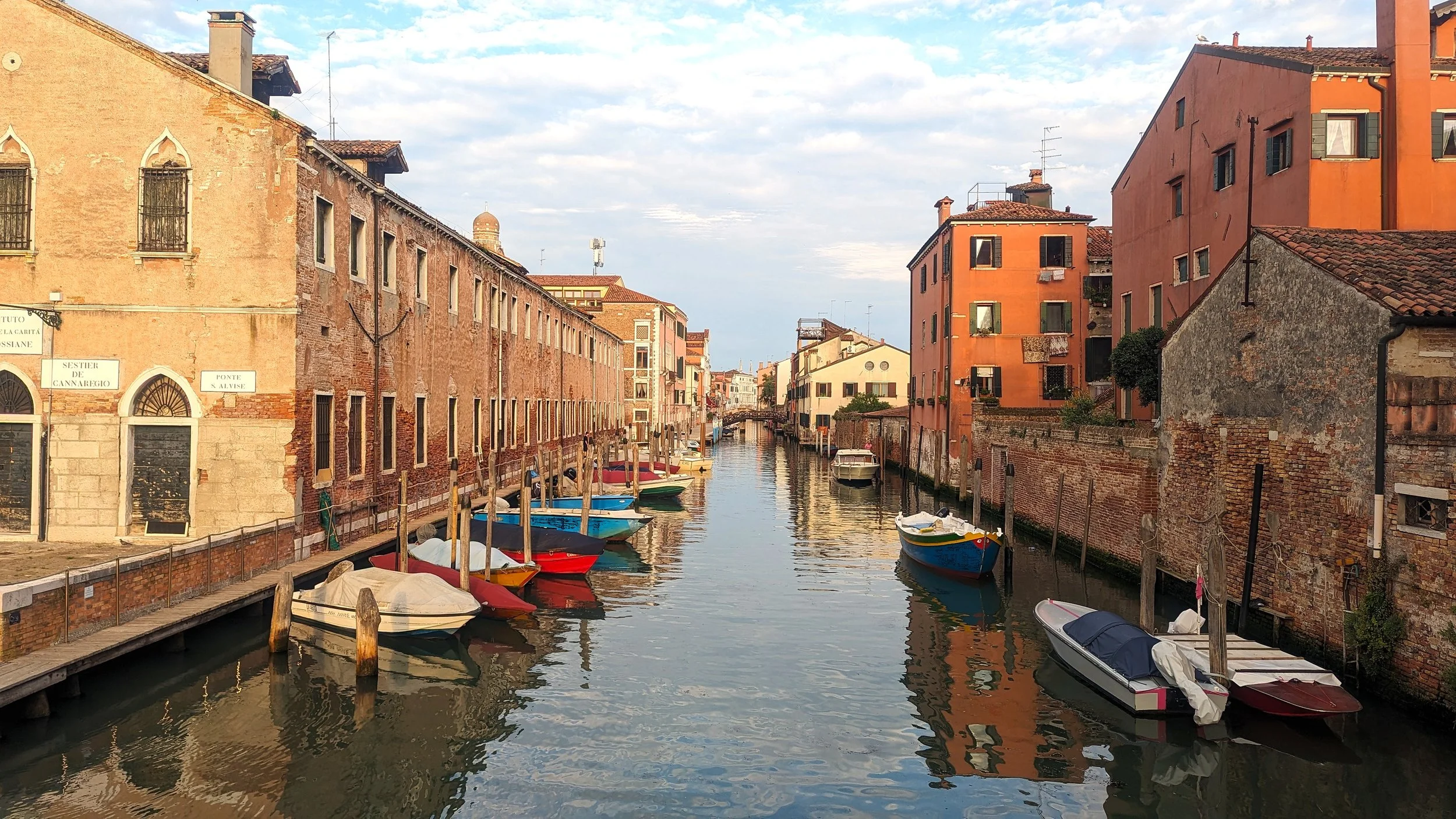
For our final night in Venice we decided to have a picnic in Cannaregio. First we picked up some fruit and veggies at this theater-turned-grocery store, then we chose a couple pizzas from the Arte Della Pizza, and walked around till we stumbled on a small square. We fell in love with this area of the city for its quiet charm and authenticity, and the opportunity to see a little of the local life. For example, an open air birthday party karaoke by one of the canal bridges.
Brescia and Milan
We were nearing the end of our trip as we made our way to Milan to fly home. We decided to stop in a small town of Brescia on the way. Situated only half hour from Milan and near the shores of lake Garda, it dates back to pre-Roman times. Today it’s mostly famous for being the home of Mille Miglia, once an annual motorsport endurance race, now a classic and vintage car race.
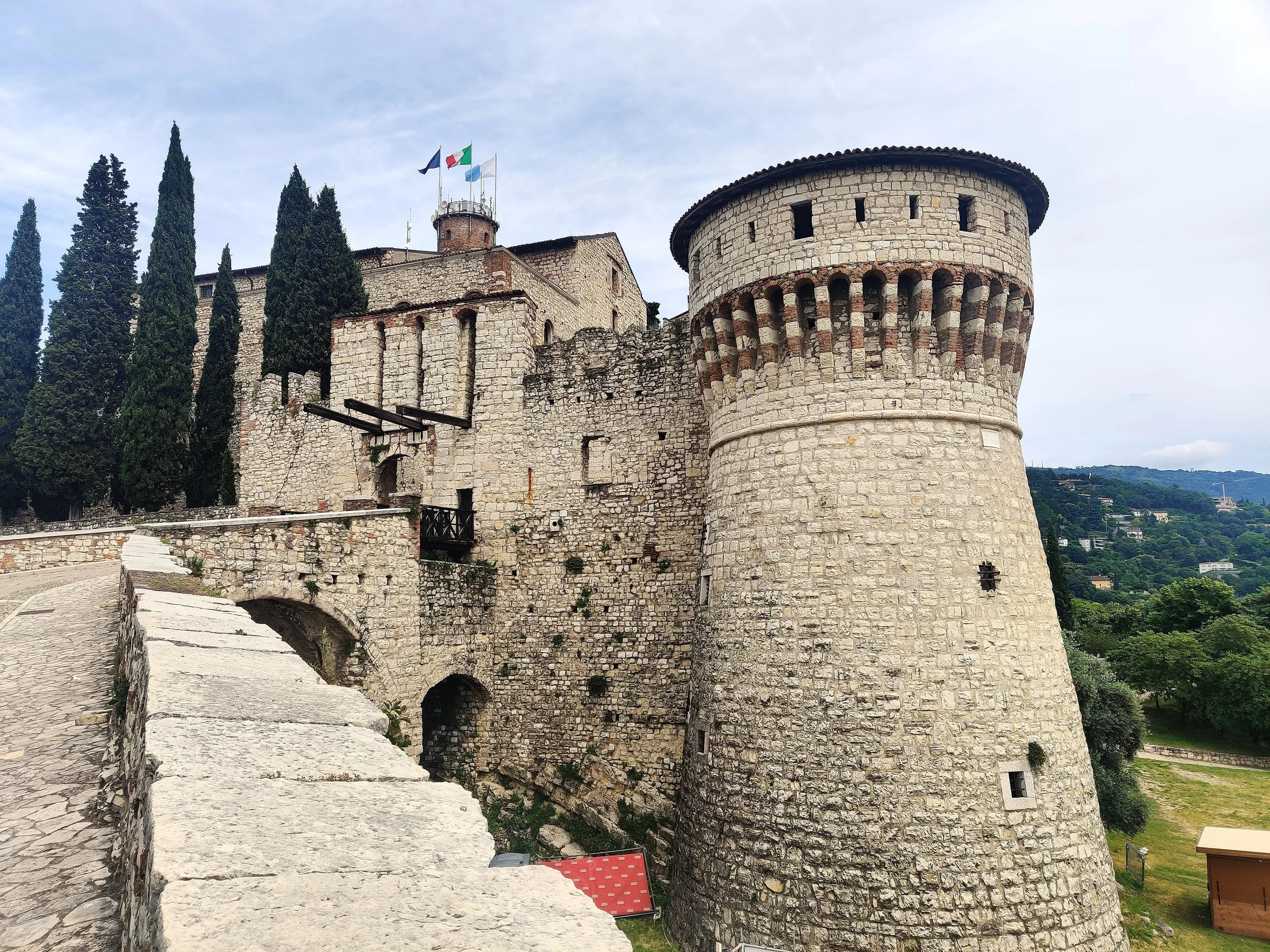
We had another motive for making this pit stop. The town’s castle is one of the largest and best preserved medieval castles in Italy and houses the Arms and Armor Museum. The museum traces the technological and artistic progress of the Lombardian craftsmen considered the best in the world at the time.
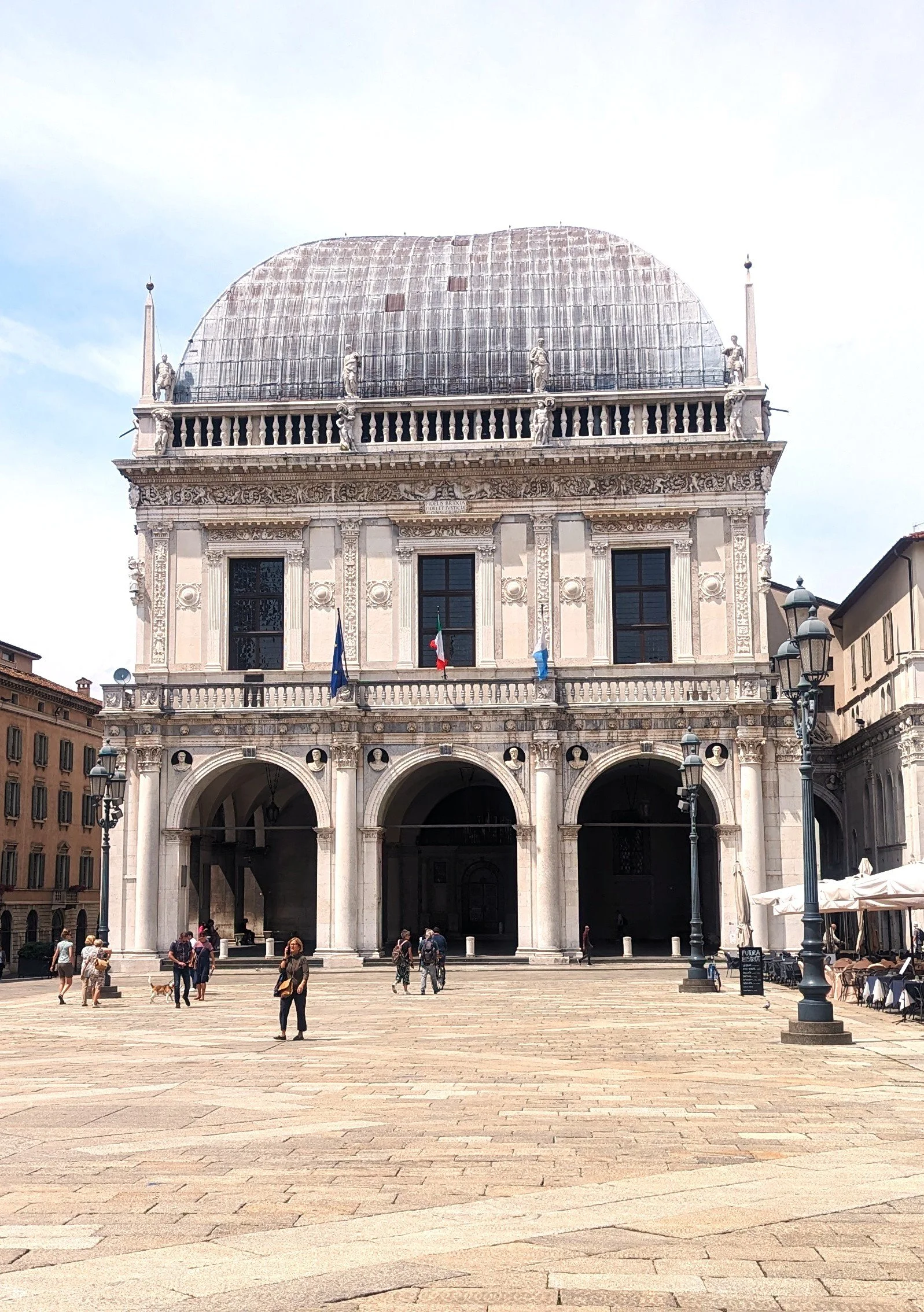
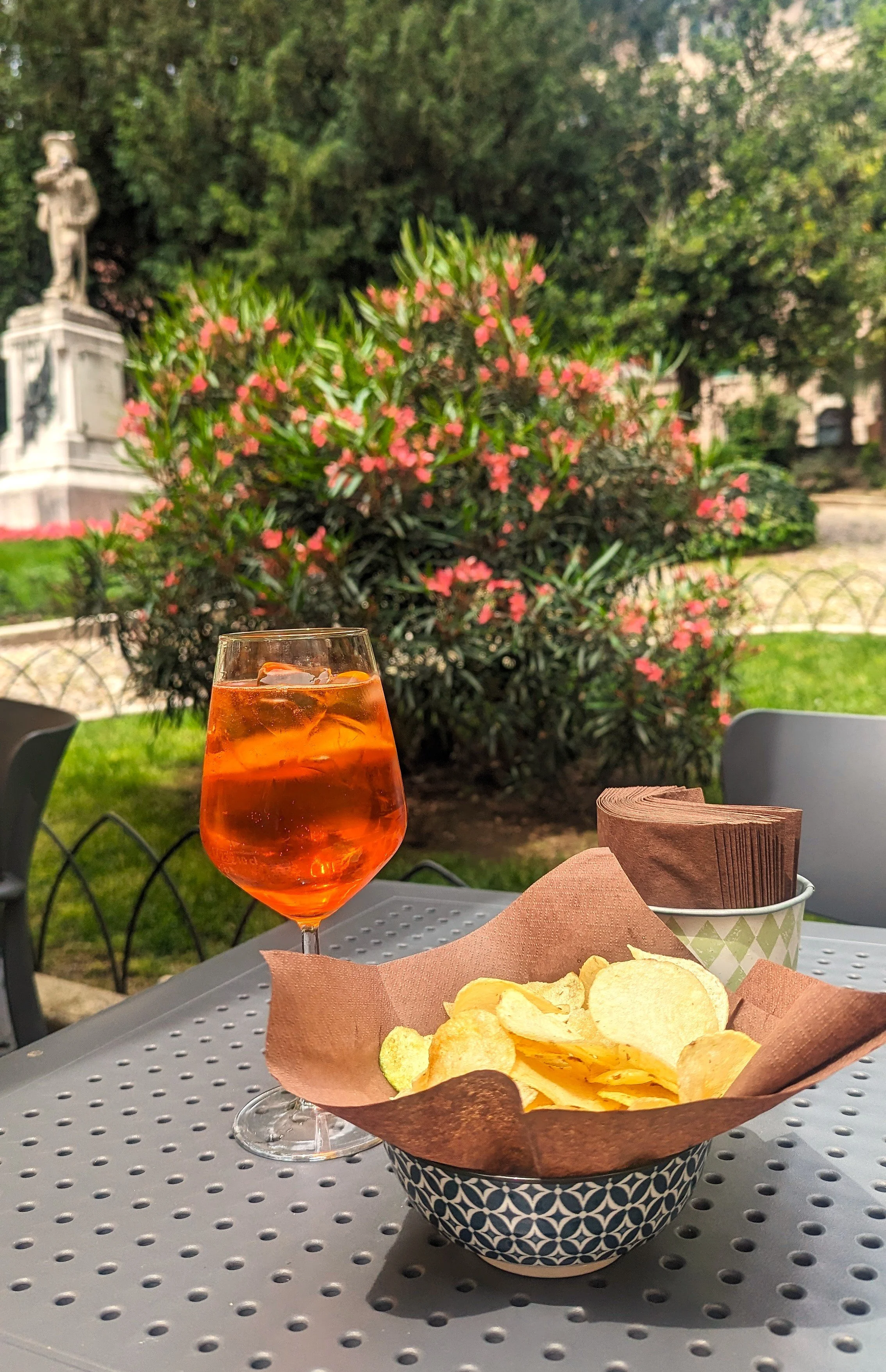
Here we split up and while my husband spent hours learning about the evolution of gun locks, I walked around the city enjoying its well preserved beautiful architecture of the Piazza della Logia, the old and the new cathedrals, and the Piazza Paolo VI. I took a break from the heat of the day to sip an aperitivo on the terrace in the quaint Piazza Tito Speri, enjoying the slower non-touristy vibe.
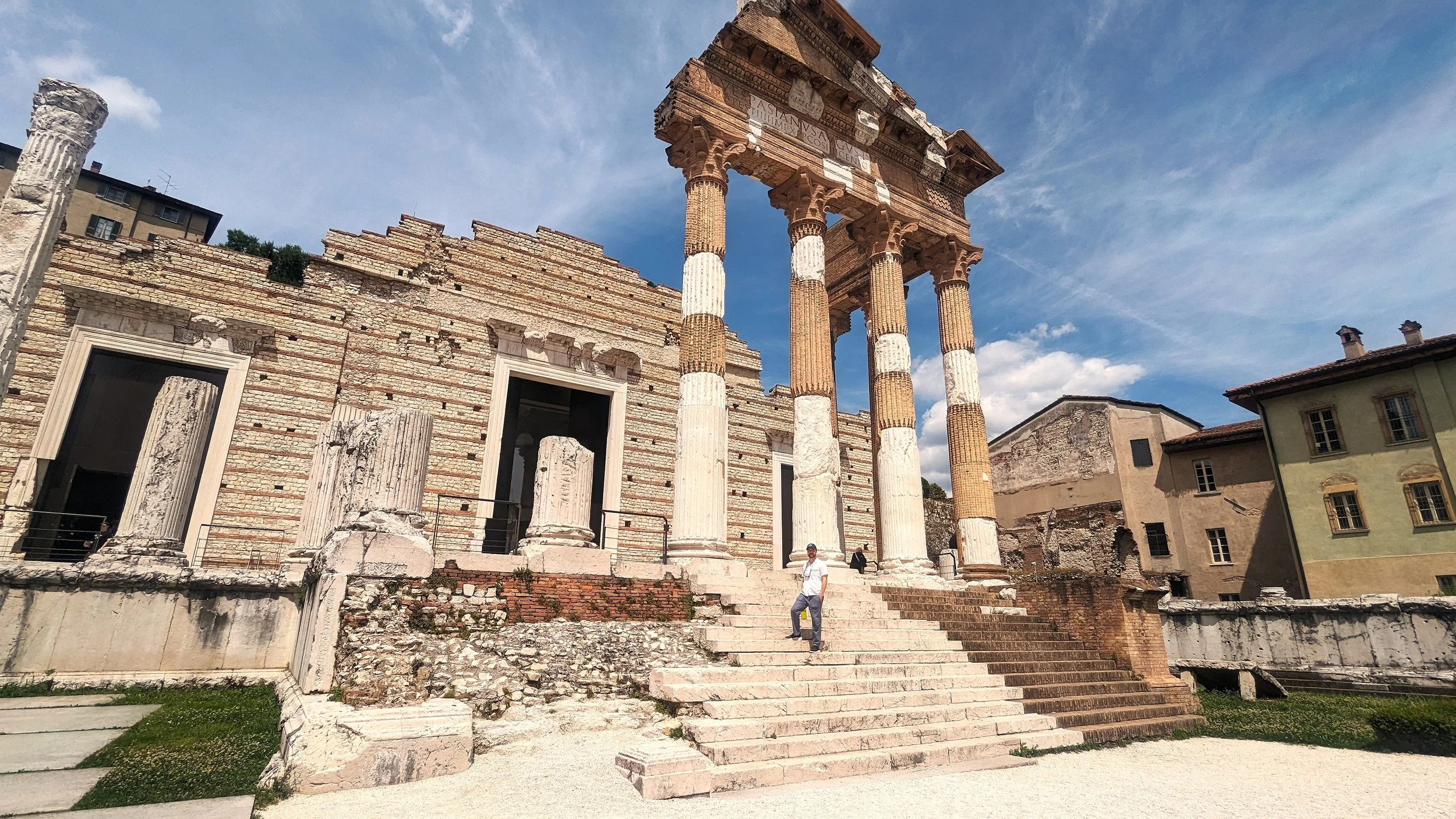
We met back up at the Parco archeologico di Brixia romana, one of the best preserved Roman sites in Italy, which features a capitolium and a theater.
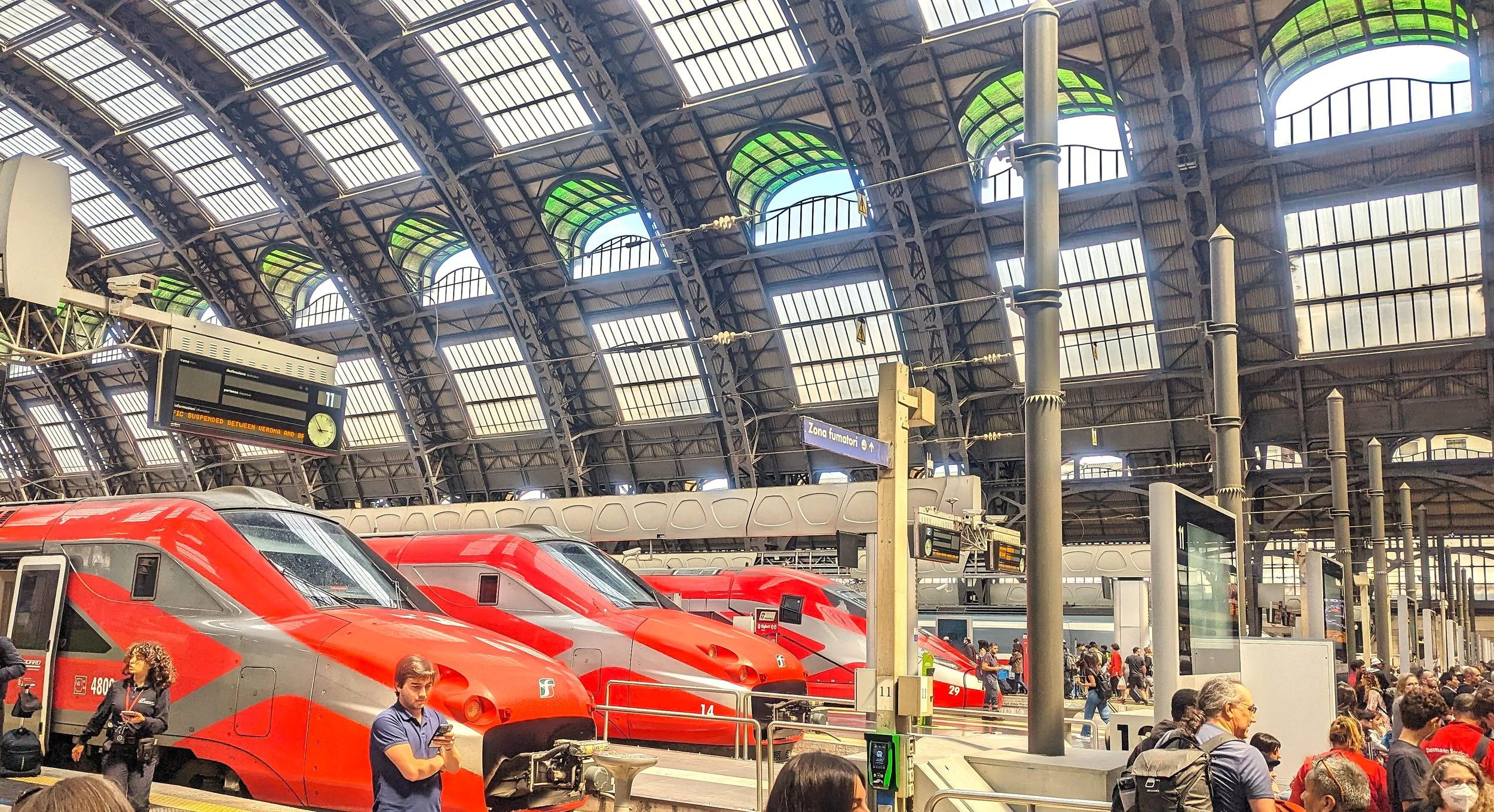
A short train ride later we were in Milano Centrale, the main railway hub of the city. We chose to stay nearby and after checking into our hotel took the Metro into the city center. Milan is the second most populous city in Italy, and its economical capital. That said, most travelers tend to spend one-two days here unless they have a specific local interest.
We chose to keep our time in Milan brief. We visited the Duomo (Cathedral of Milan) which is the largest church in the Italian Republic (technically, the larger San Pietro Basilica is in the State of Vatican City). Peeking into the luxurious Galleria Vittorio Emmanuele shopping area, we got our last treat of espresso and affogato at the elegant Pasticceria Marchesi. We walked around some more checking out the famous Teatro della Scala and the Leonardo statue. The works and the genius of this famous Milanese can be appreciated by viewing the Last Supper painting at Santa Maria delle Grazie and by visiting Leonardo da Vinci Museum of Science and Technology as well as several other locations in the city. We also stopped by the high end gourmet store Peck which could have passed for an Italian food museum had everything not been accompanied by a steep price tag. Finally, we did some quick shopping on Via Torino, and called it a night. We had a slow and relaxing grocery store deli dinner on our hotel’s balcony and got ready to go home.
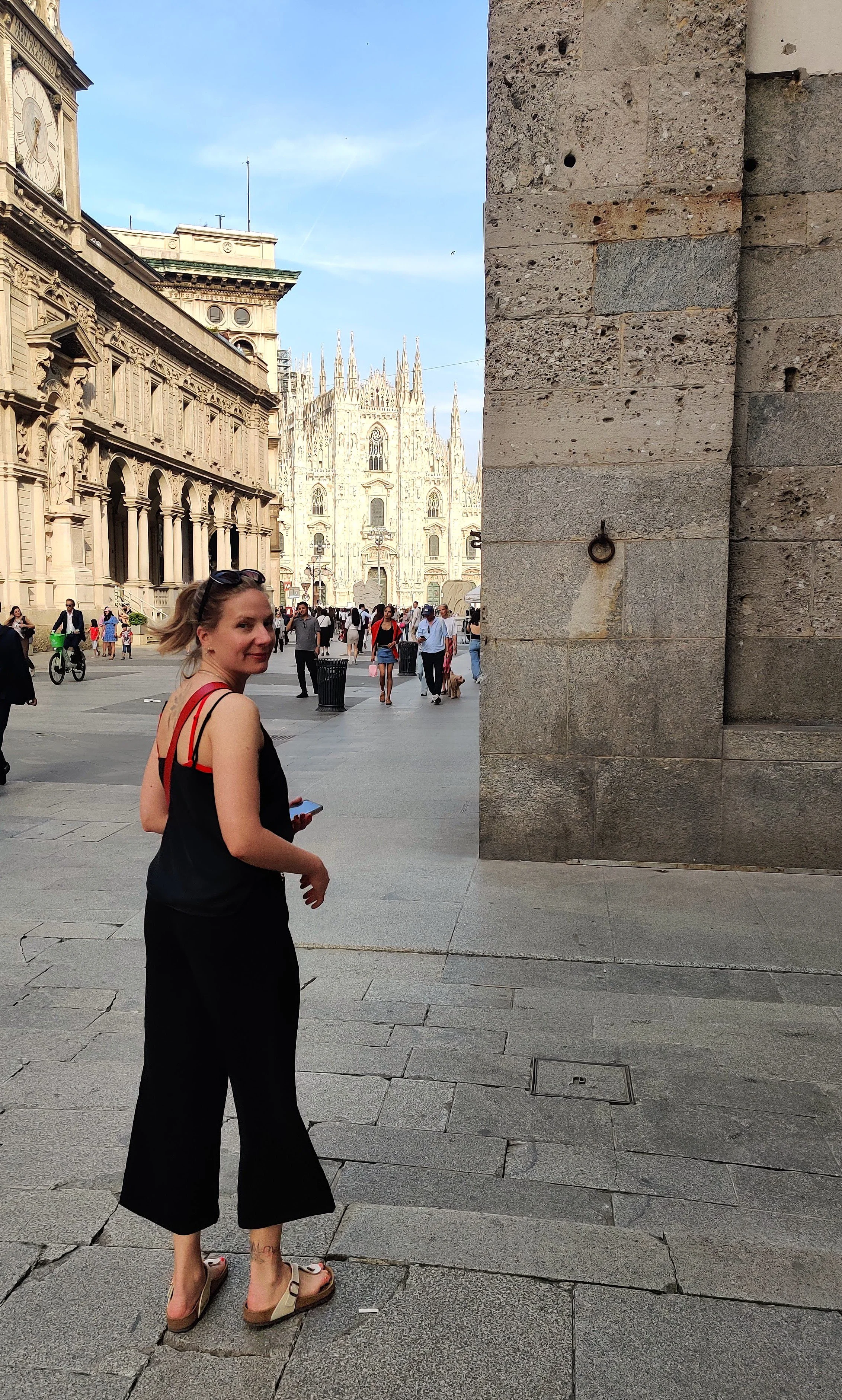
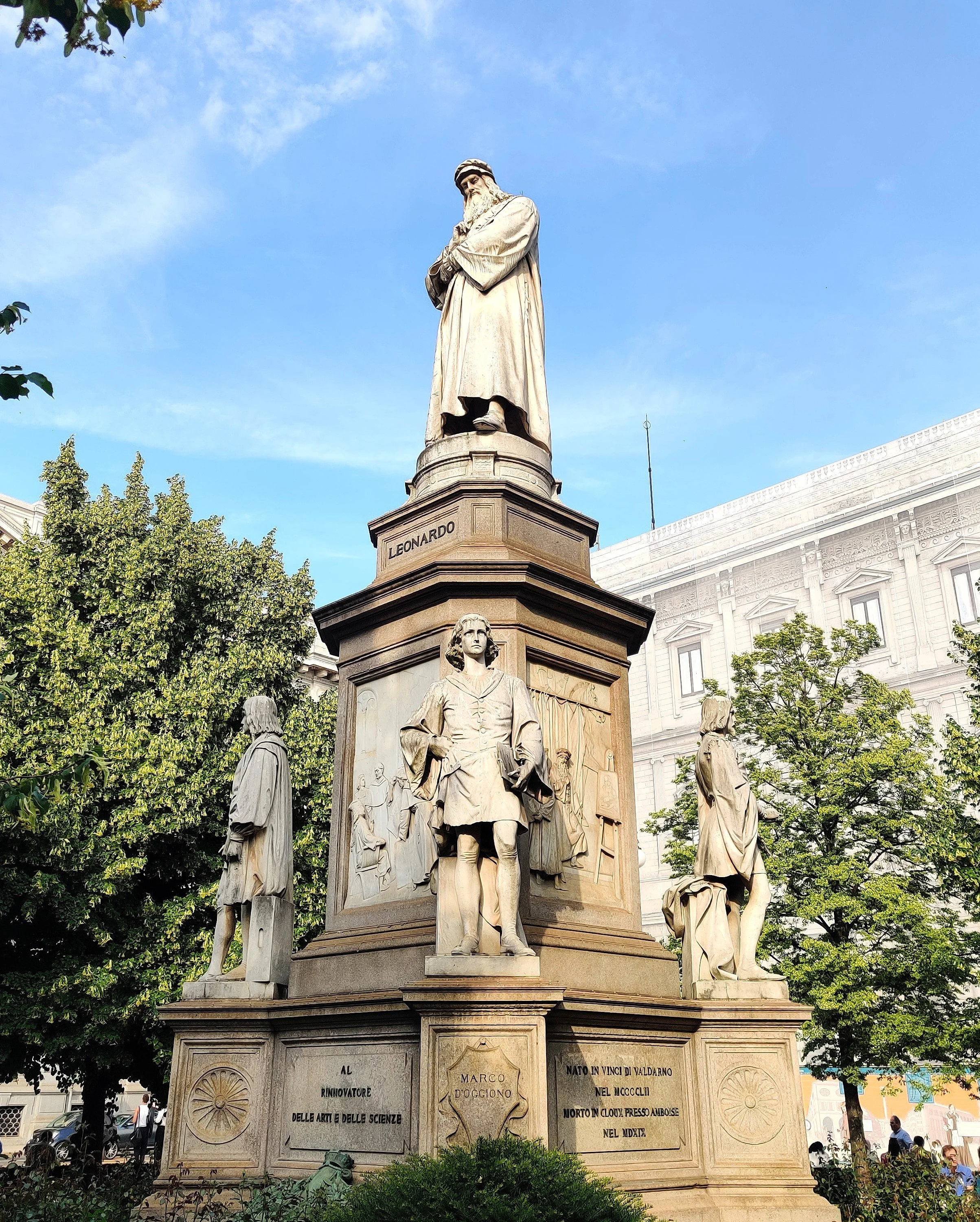
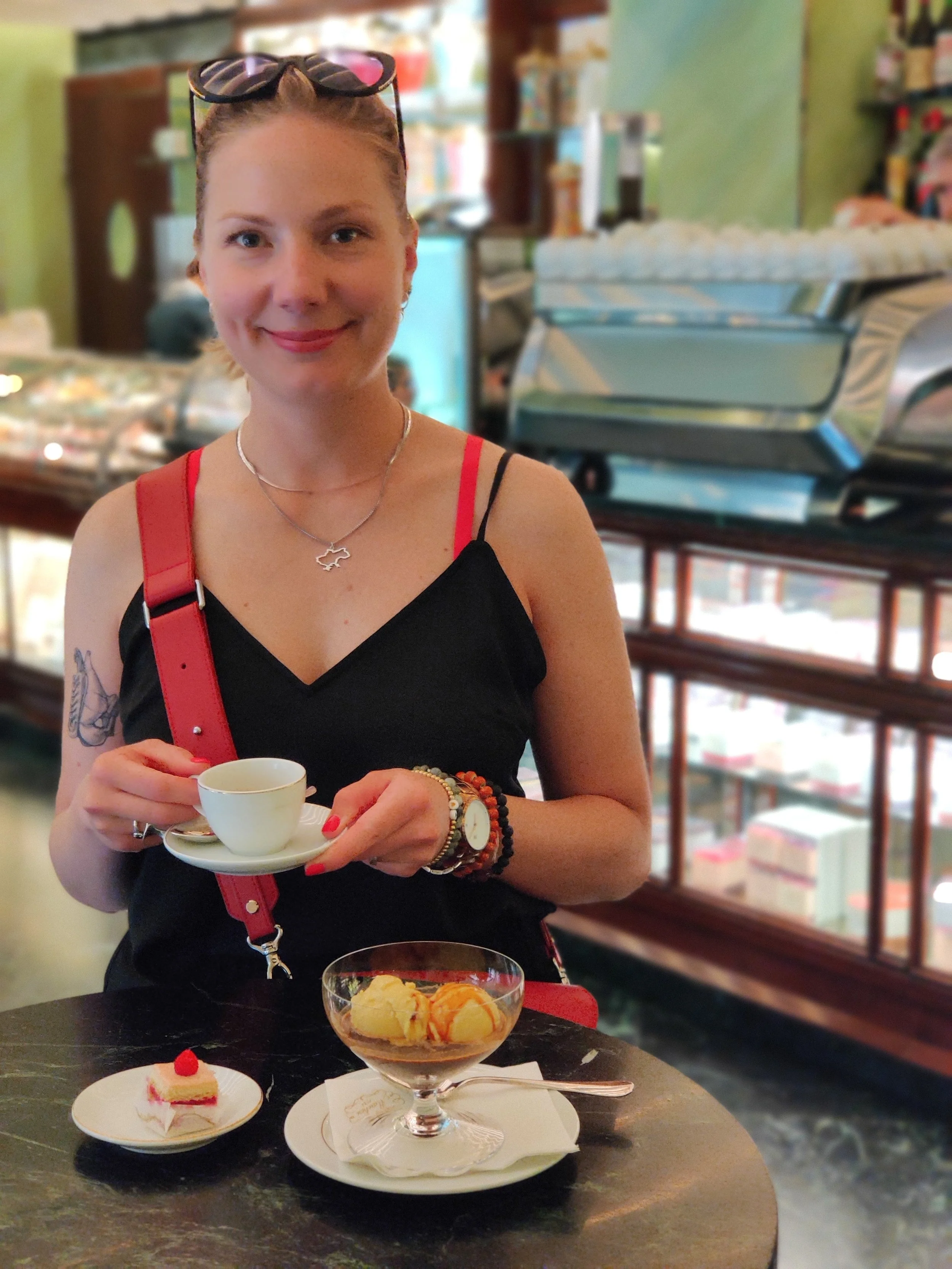
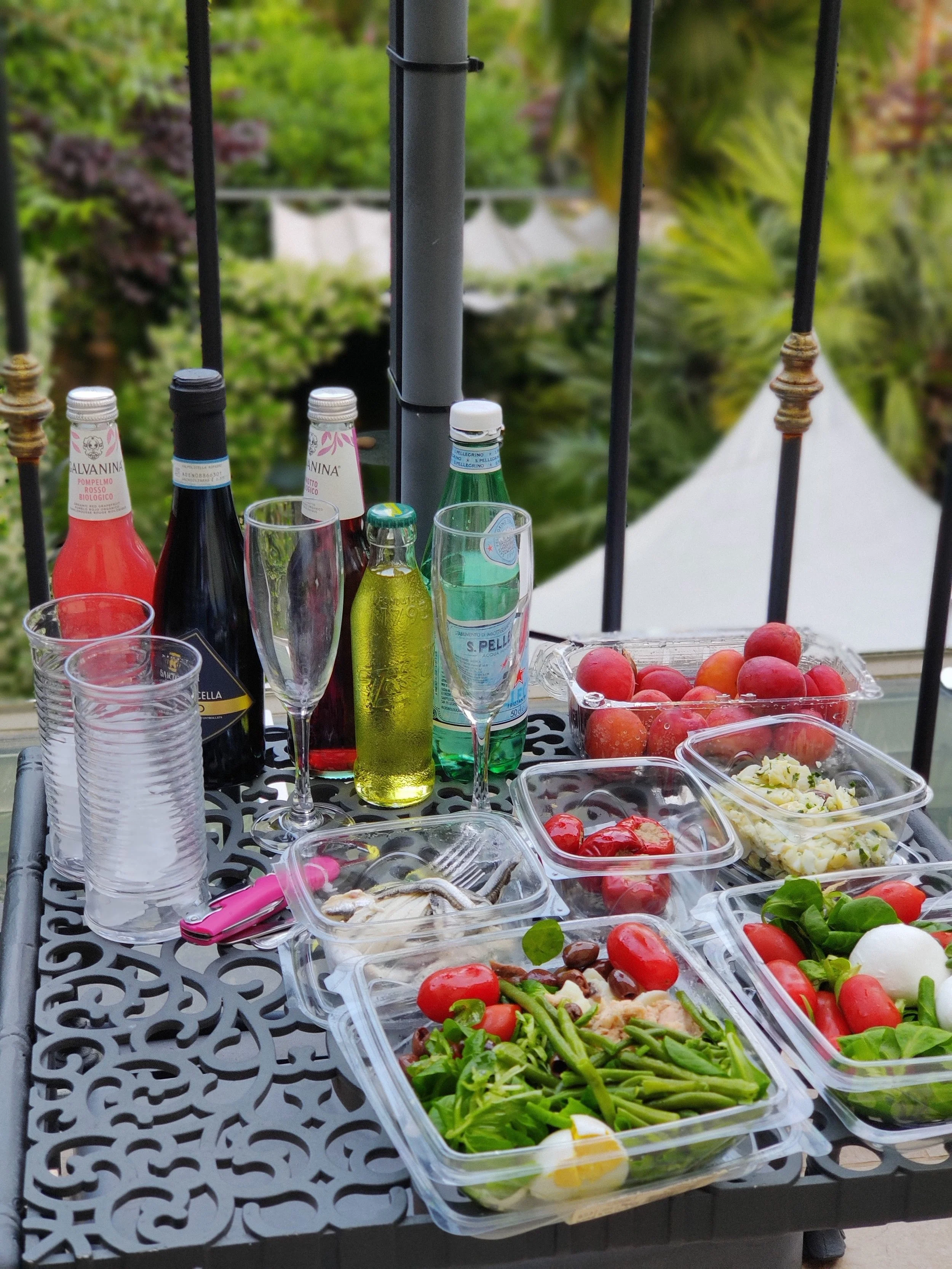
The next morning we took the Malpensa Express train from Milano Centrale, which was a slow but steady way to get to the airport and lasted 50 minutes to Terminal 1.
Books
City of Fortune: How Venice Won and Lost a Naval Empire by Roger Crowley
The Hunting Season by Tom Benjamin (purchased in Bologna)
Brescia and Its Great Race by Paolo Mazzetti and Alberto Armanini (purchased in Brescia)
